
Uganda Completes Evacuation of 1,102 Nationals from South Africa Amid Xenophobic Violence
KAMPALA – The Government of Uganda recently completed a successfully evacuation of 1,102 Ugandan nationals from South Africa following weeks of escalating xenophobic violence and anti-immigrant protests that left thousands of foreign nationals fearing for their lives.
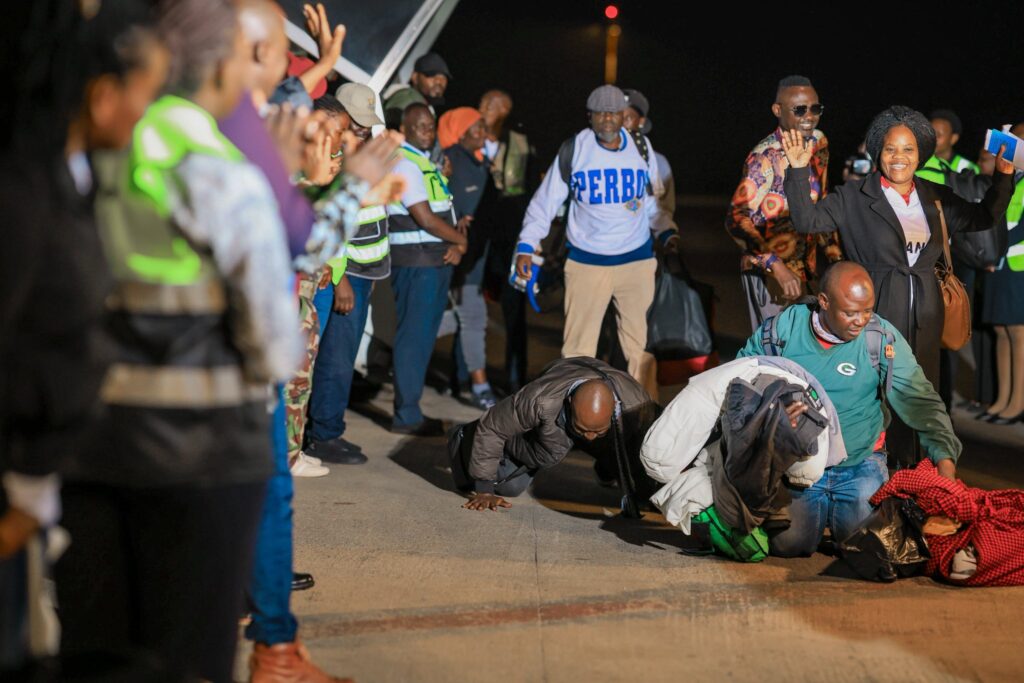
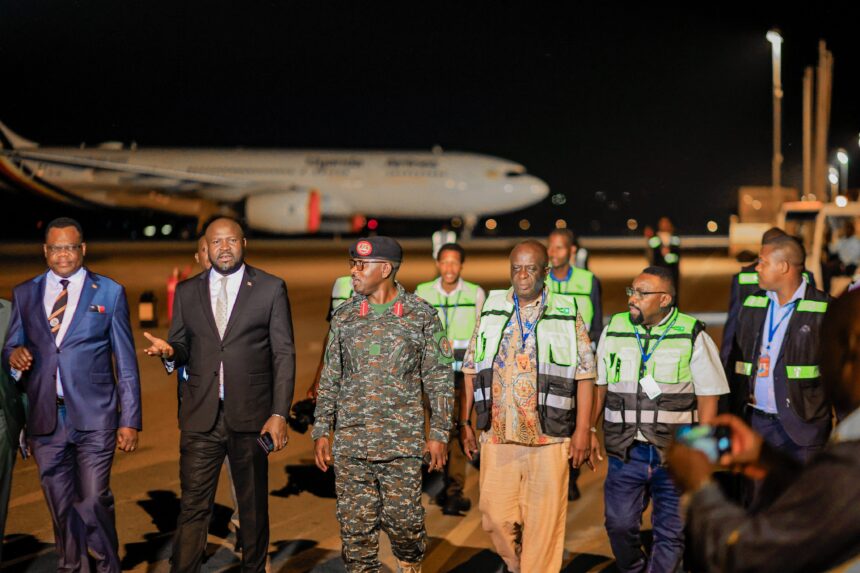
The final chartered flight carrying 219 Ugandans landed safely at Entebbe International Airport on Thursday, marking the successful completion of the first phase of the government’s voluntary repatriation programme coordinated through the Ministry of Foreign Affairs, the Uganda High Commission in Pretoria, the Uganda People’s Defence Forces (UPDF), and Uganda Airlines.
The evacuation exercise was launched after renewed attacks targeting foreign nationals spread across parts of South Africa, prompting President Yoweri Museveni to direct the immediate return of Ugandans who wished to leave the country.
Speaking to ambassador Dickson Ogwang from the ministry of foreign affairs said the operation involved six special evacuation flights that transported Ugandans from Johannesburg, Durban and kwazul natal to Entebbe over several days.
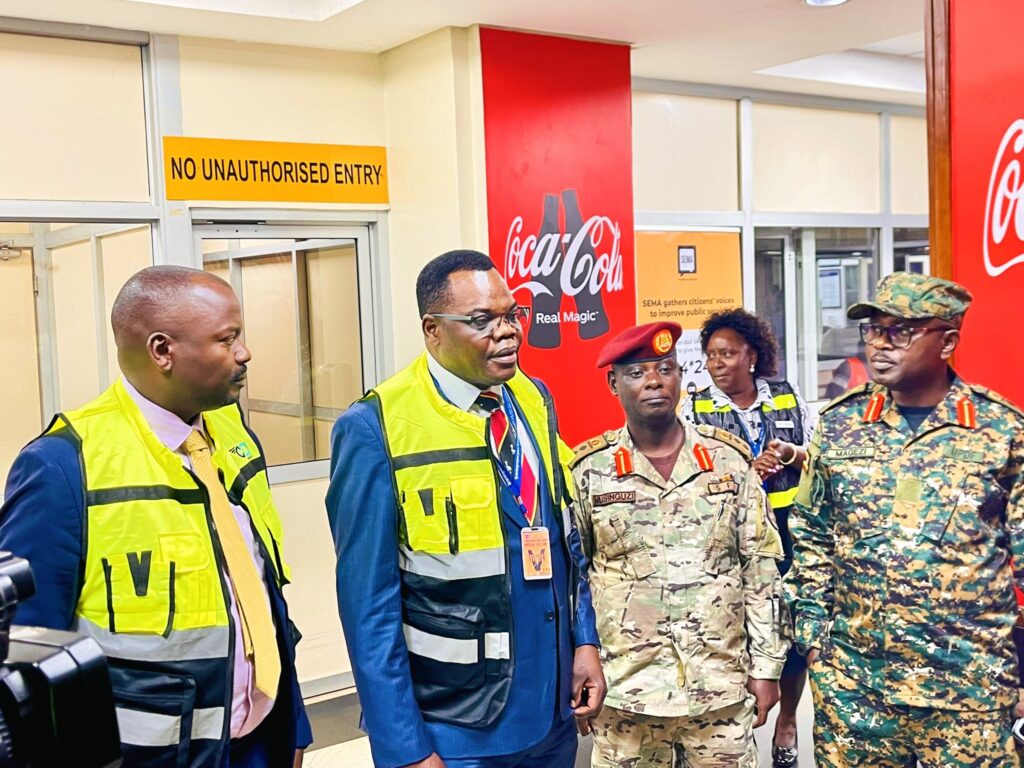
Speaking about the exercise, ambassador ogwang described it as one of the largest emergency evacuations undertaken by Uganda in recent years, emphasizing that the safety and welfare of Ugandan citizens abroad remains a top government priority.
“The successful evacuation of 1,102 Ugandan nationals demonstrates our unwavering commitment to protecting our citizens wherever they may be,” officials said, nothing that the operation required close coordination between diplomatic missions, security agencies and aviation authorities.
The returnees comprise students, business people, workers and families who had lived in various provinces across South Africa but opted to return home following increasing insecurity and threats linked to anti-immigrant demonstrations.
The Uganda high commission in south Africa led by his excellency ambassador Paul Omuru revealed that some Ugandans had lost businesses and property during the unrest, while others fled after receiving threats from vigilante groups targeting foreign-owned enterprises.
Earlier, the Ministry of Foreign Affairs disclosed that three Ugandan nationals had been killed during the violence in KwaZulu-Natal Province, with arrangements that were made and one of the deceased body was repatriated back to Uganda as preparations and talk’s with relevant authorities go ahead to also return the rest for burrial.
Upon arrival at Entebbe International Airport, the returnees were received by officials from several government ministries before being transported for reception and reintegration support.
The government said the returnees are undergoing a rehabilitation, patriotism and ideological orientation at the National Leadership Institute (NALI) Kyankwanzi to prepare them for reintegration into Ugandan society and equip them with skills for rebuilding their livelihoods.
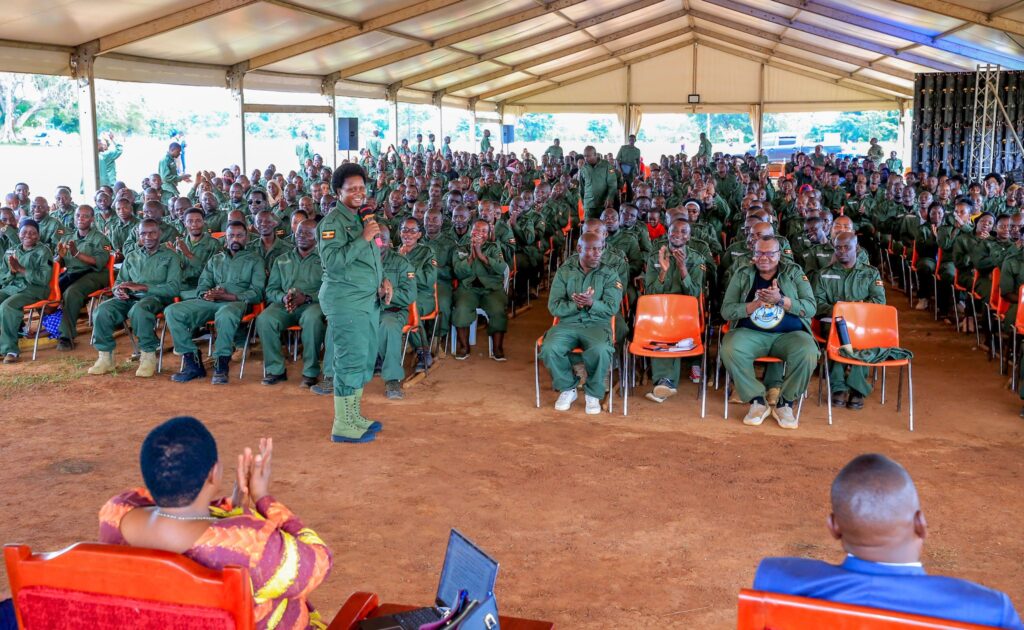
Officials added that the programmes are focusing on entrepreneurship, wealth creation, national values and opportunities available under various government initiatives aimed at improving household incomes.
The Ministry of Foreign Affairs led by the acting minister kyeyune haruna kasolo thanked the Uganda High Commission in Pretoria, Uganda Airlines, the UPDF and South African authorities for facilitating the safe evacuation despite the challenging security situation.
The government through the prime minister also appealed to Ugandans still living in South Africa to remain in close contact with the Ugandan High Commission and observe guidance issued by local authorities as diplomatic efforts continue to ensure their safety.
The evacuation comes amid renewed concern over recurring xenophobic attacks in South Africa, where foreign nationals from several African countries have periodically been targeted by criminal groups and anti-immigrant protesters accusing them of taking jobs and operating businesses illegally.
Uganda joins several African countries that have recently undertaken emergency evacuation exercises to protect their citizens from the unrest, underscoring the growing need for stronger regional cooperation in safeguarding migrants and addressing the root causes of xenophobic violence.