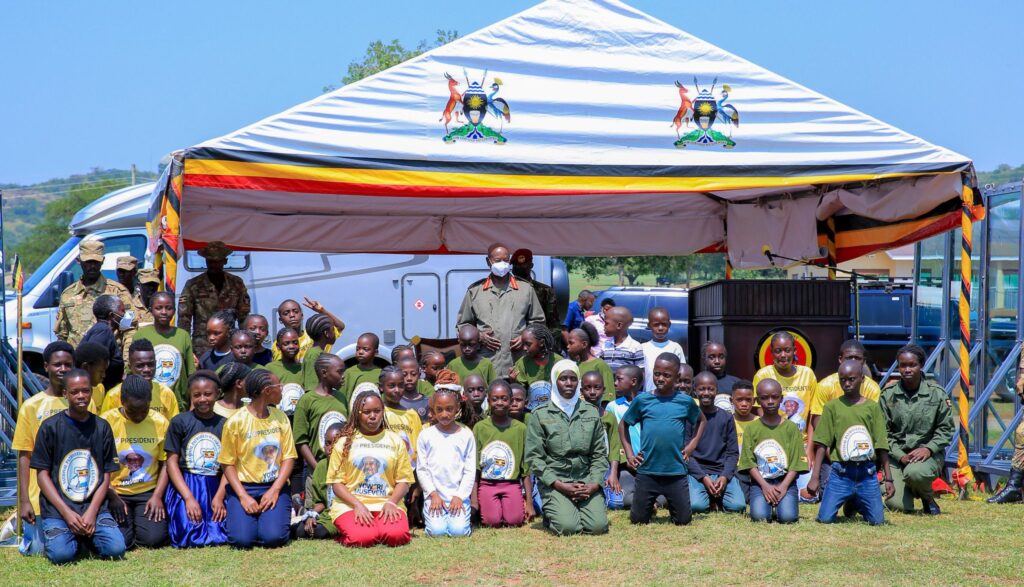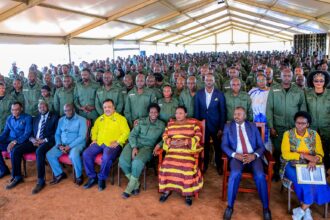

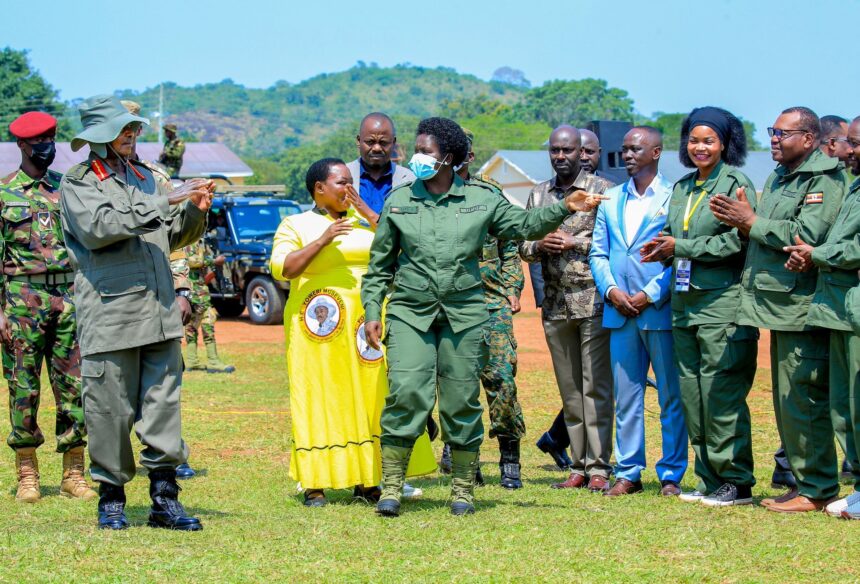
President Yoweri Museveni has urged Ugandans who recently returned from South Africa to take advantage of the vast economic opportunities available in Uganda by embracing commercial agriculture, manufacturing, services and information and communication technology (ICT), saying these sectors hold the key to transforming livelihoods and ending poverty.
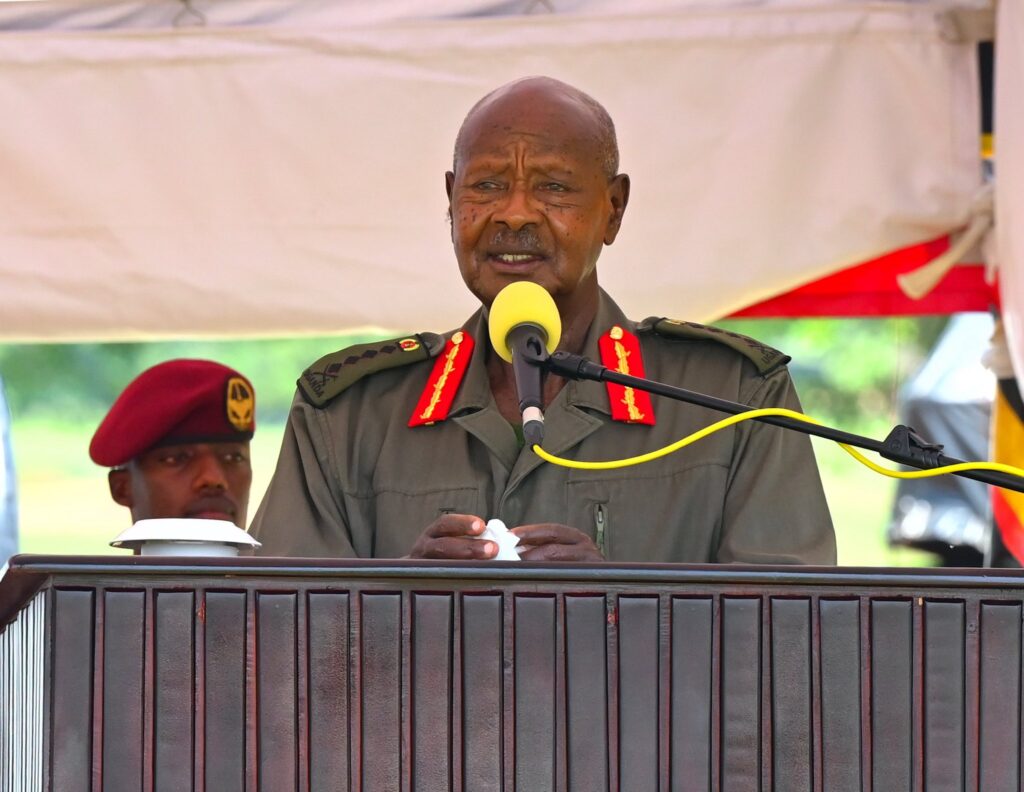
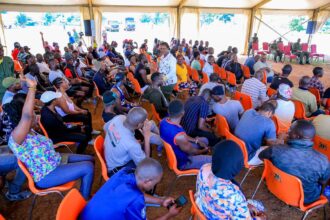
Speaking with the returnees in Kyankwanzi , President Museveni reiterated that the National Resistance Movement (NRM) government has consistently pursued policies aimed at fighting poverty through education, wealth creation and job creation since coming to power.
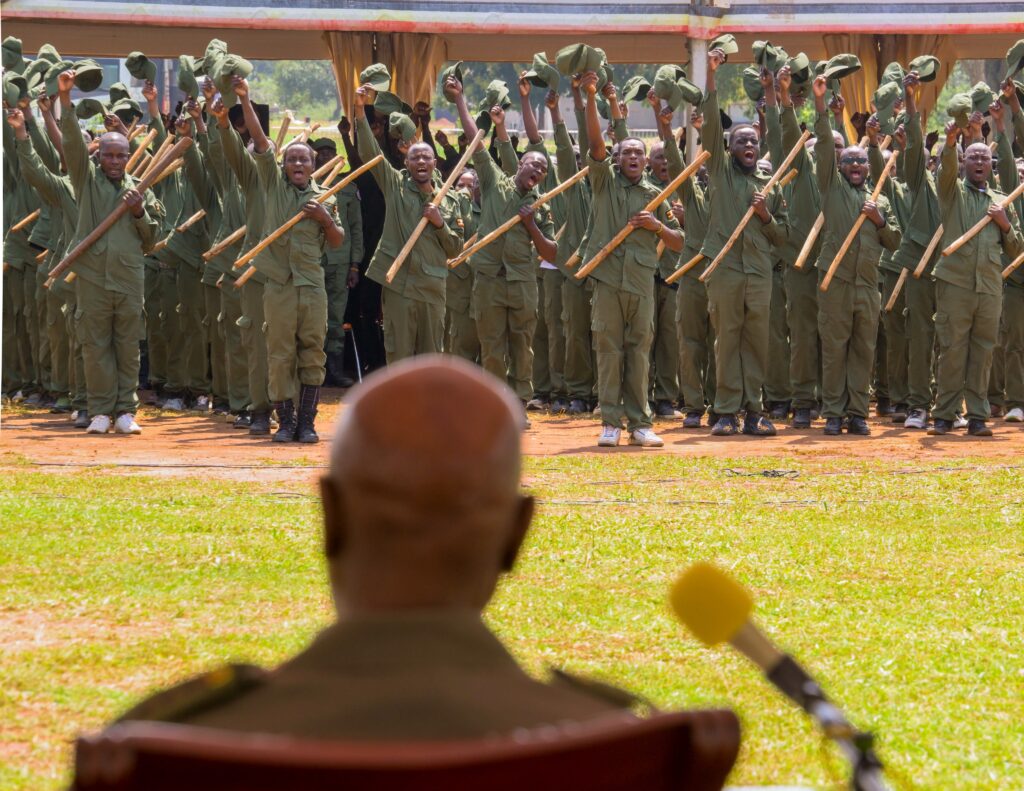
The President said Uganda’s economic transformation agenda is centered on equipping citizens with the knowledge, skills and resources needed to participate meaningfully in the country’s growing economy.
“I reiterated that the NRM has consistently fought poverty through education, wealth creation and job creation. I encouraged them, especially the youth, to embrace commercial agriculture, manufacturing, services and ICT, where the greatest opportunities lie,” President Museveni said.
Museveni emphasized that while seeking opportunities abroad remains an option for many Ugandans, the country’s economic sectors continue to offer immense potential for entrepreneurship, employment and wealth creation if properly exploited.
He challenged the youth to move away from subsistence economic activities and instead participate in productive ventures that can generate sustainable incomes. According to the President, Uganda’s future prosperity depends on citizens actively engaging in value addition, industrialization and innovation-driven enterprises.
Prime Minister Robinah Nabbanja revealed that a total of 1,030 Ugandans—comprising 438 men, 261 women, and 331 children—were safely repatriated from South Africa following anti-migrant protests.
The returnees were flown back to Uganda free of charge aboard Uganda Airlines as part of the government’s emergency intervention.
The Prime Minister said President Museveni directed several ministries to coordinate the repatriation process to ensure the safety and well-being of Ugandans abroad.
Since July 3, 2026, the returnees have undergone psychological, ideological, and mindset change training at the National Leadership Institute (NALI) in Kyankwanzi.
The training included presentations by senior government officials aimed at equipping the returnees with patriotism, leadership values, and opportunities available in Uganda, Nabbanja commended the National Patriotism Secretariat and the leadership of NALI for successfully hosting and facilitating the rehabilitation programme.
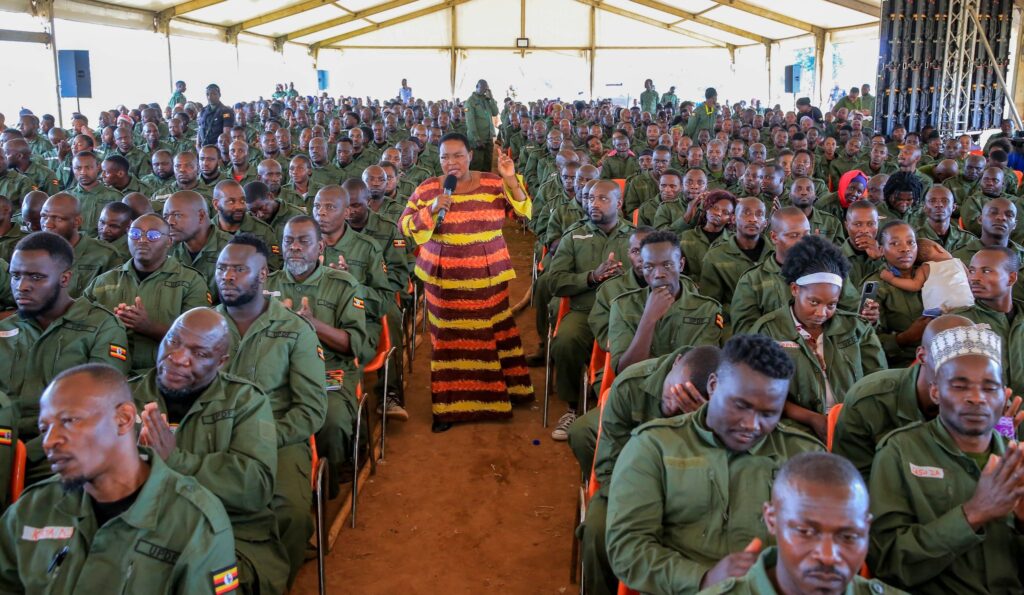
She noted that many of the returnees were surprised and grateful that the government facilitated their return home at no cost and remain optimistic about rebuilding their lives in Uganda.
The exercise brought together Ugandans who returned from South Africa under a government-supported repatriation and reintegration programme. Many of the returnees are expected to benefit from government initiatives designed to help them rebuild their lives and contribute to national development.
The President noted that commercial agriculture remains one of the country’s biggest untapped opportunities, given Uganda’s fertile soils and favourable climate. He added that the manufacturing sector is equally critical in creating jobs and increasing the value of locally produced goods, while the services and ICT sectors continue to provide opportunities for young people in an increasingly digital economy.
Museveni also assured the returnees of government’s commitment to supporting their successful reintegration into society.
“The Government will support their reintegration, including strengthening their SACCO,” he said.
The planned strengthening of the returnees’ Savings and Credit Cooperative Organisation (SACCO) is expected to improve access to affordable financing, enabling members to invest in income-generating projects and small businesses.
Government officials say SACCOs remain an important vehicle for empowering communities economically by providing access to credit, encouraging savings and promoting financial inclusion.
The President’s message aligns with the government’s broader economic strategy of transitioning Ugandans from subsistence livelihoods to participation in the money economy through programmes that promote skills development, entrepreneurship and access to productive resources.
The engagement in Kyankwanzi forms part of government’s ongoing efforts to ensure that Ugandans returning from difficult circumstances abroad are successfully rehabilitated and integrated into national development programmes.
For many of the returnees, the meeting offered renewed hope and reassurance that government support will not only facilitate their resettlement but also provide opportunities for economic empowerment as they begin a new chapter back home.
President Museveni concluded by encouraging the returnees to remain patriotic, disciplined and focused on wealth creation, stressing that Uganda’s economic future will largely be shaped by citizens who are willing to seize the opportunities available within the country’s four strategic sectors of commercial agriculture, manufacturing, services and ICT.