

The donation, targeting local farmers, is aimed at encouraging communities to move from subsistence farming to commercial agriculture, while creating sustainable sources of income for households.
Speaking during the handover, Prof. Ahebwa urged beneficiaries to treat the planting materials as an investment rather than simply a one-off donation.
He encouraged farmers to plant the coffee seedlings in suitable soils, maintain their gardens properly and embrace modern agricultural practices to improve yields.
“Quality planting materials are the foundation of good agricultural production. When farmers have access to improved seedlings and seeds, they have a better opportunity to increase productivity and improve household incomes,” Prof. Ahebwa said.
Coffee as a long-term investment
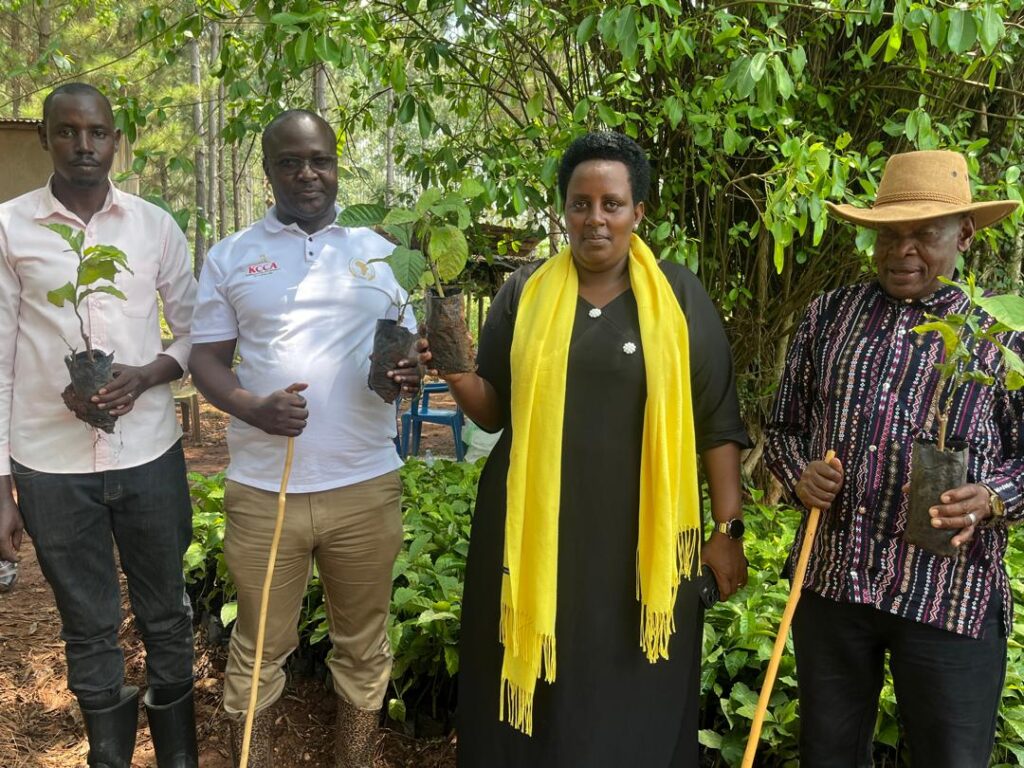
The 4,000 coffee seedlings are expected to give beneficiaries an opportunity to establish new coffee gardens, with the crop providing a long-term source of household income once the trees mature and begin producing.
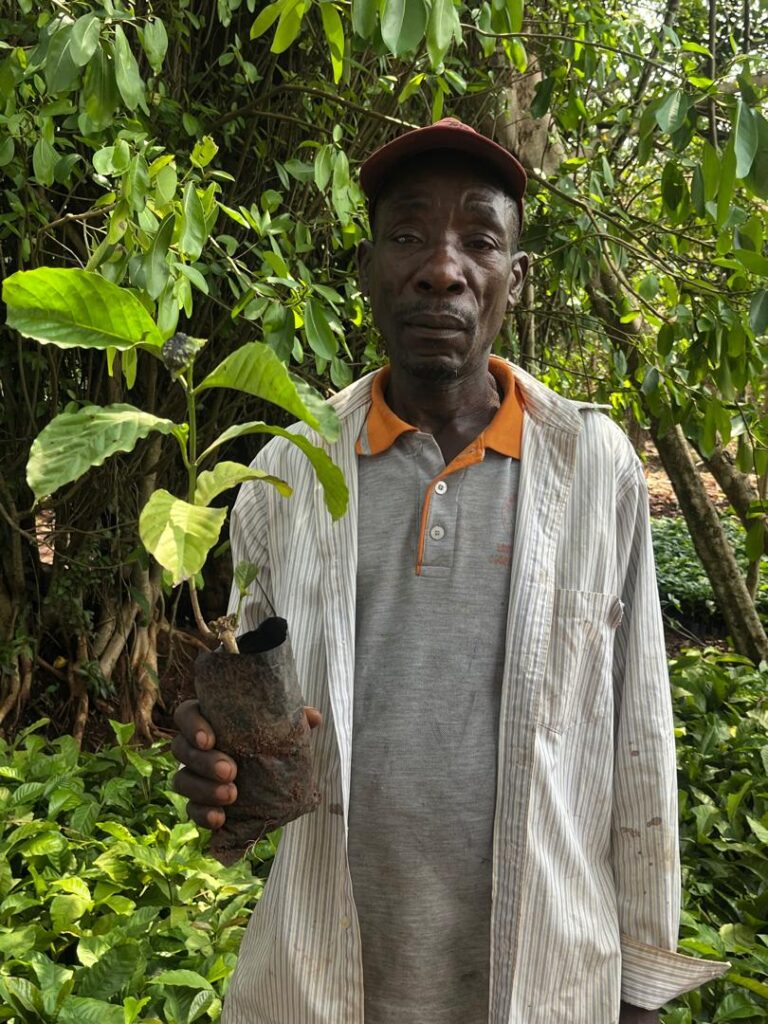
Farmers who received the seedlings welcomed the intervention, saying coffee has the potential to transform their livelihoods if properly managed.
They pledged to plant, weed and maintain the seedlings while following recommended agronomic practices to ensure the trees survive and become productive.
The beneficiaries also thanked Prof. Ahebwa for responding to their agricultural needs and called for continued support to enable more farmers in Nakaseke North to venture into commercial farming.
Maize seed to boost food security
The 100kg of maize seed is expected to help farmers increase food production while providing an opportunity to earn additional income from surplus harvests.
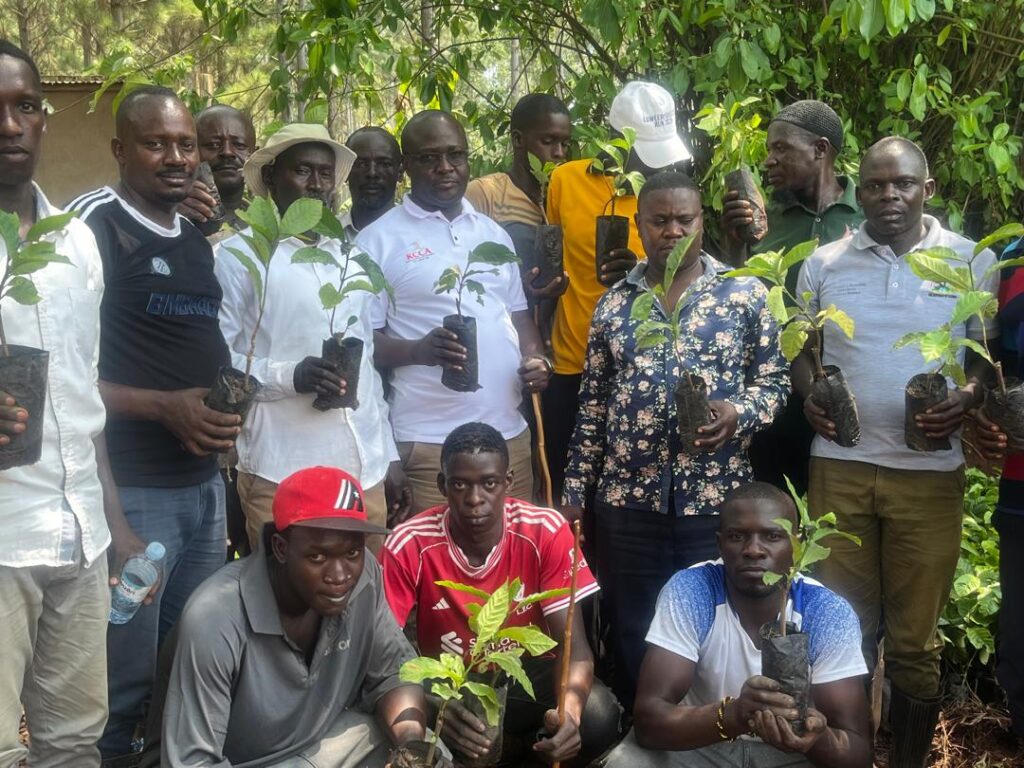
Beneficiaries said the support would reduce the burden of purchasing planting materials and enable them to expand their cultivation.
Prof. Ahebwa urged the farmers to look beyond production for household consumption and deliberately plan their farming activities as businesses.
He also encouraged farmers to work together through groups and take advantage of government agricultural programmes designed to increase production, household incomes and employment.
Call for commercial farming
The legislator said agricultural development requires farmers to embrace improved farming methods, use quality inputs and properly manage their farms.
He urged beneficiaries to ensure that the donated seedlings and maize seed reach their intended purpose and to share knowledge and experience with other farmers in their communities.
The intervention comes at a time when farmers in many rural communities are being encouraged to shift from subsistence agriculture to market-oriented commercial farming as a pathway to improved household incomes.
For the Kinyogogo beneficiaries, the 4,000 coffee seedlings represent more than planting materials—they offer an opportunity to establish productive coffee gardens that can continue generating income for years, while the maize seed is expected to provide a more immediate boost to food production and household earnings.
The donation further strengthens efforts to promote agriculture as a driver of economic transformation and improved livelihoods in Nakaseke North.
END