
Uganda will host the 7th African Regional Intellectual Property Organization (ARIPO) Symposium on Copyright and Related Rights Management from October 19–21, 2026, with calls for stronger copyright protection to help creators earn from their work and boost Africa’s creative economy.
The symposium, scheduled for Speke Resort Munyonyo in Kampala, will bring together policymakers, copyright officials, creative industry representatives and other stakeholders under the theme “Empowering Creativity: Harnessing IP for Sustainable Development in Africa.”
Organised by ARIPO in collaboration with the World Intellectual Property Organization (WIPO) and the Uganda Registration Services Bureau (URSB), the meeting will focus on improving copyright administration, royalty payments, enforcement, digital piracy and cross-border cooperation.
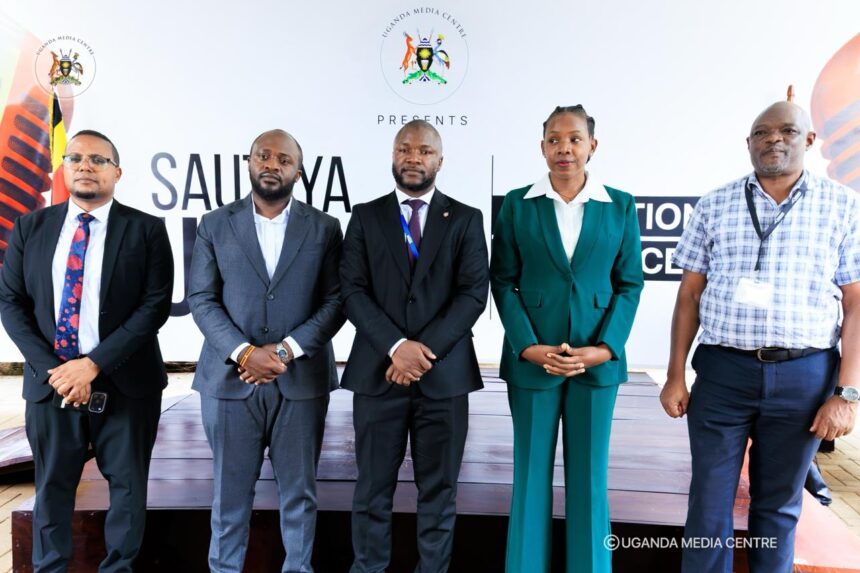
Speaking at a press briefing at the Uganda Media Centre, URSB Acting Registrar General Mustapher Ntale said copyright should be treated not only as a legal right but also as an economic asset capable of generating income, creating jobs and attracting investment.
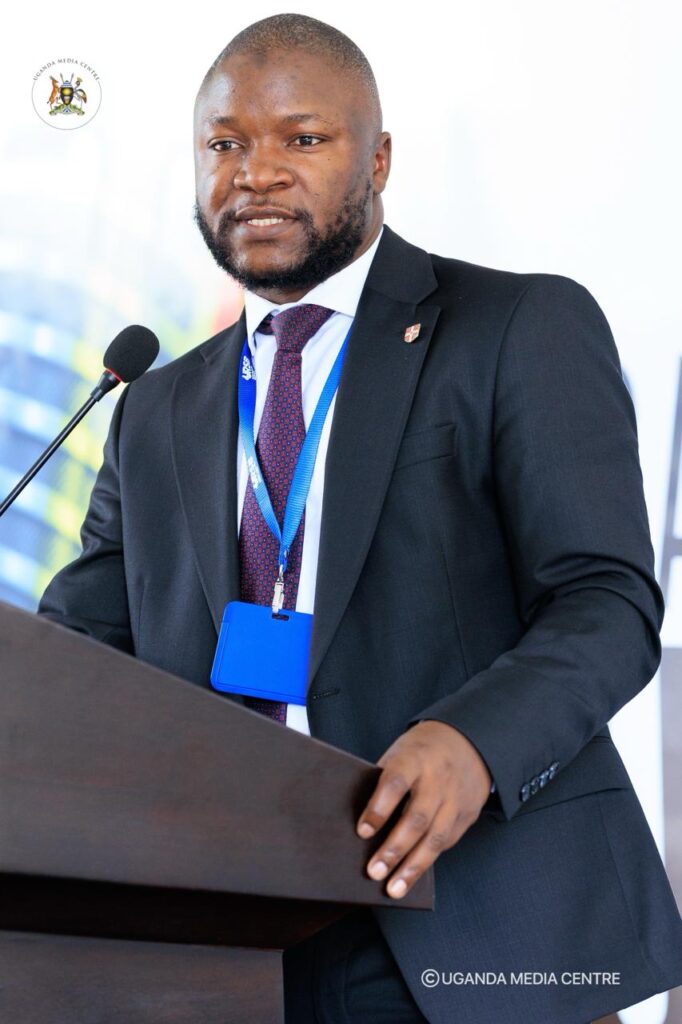
Ntale noted that URSB established a dedicated Copyright and Neighbouring Rights Department in April 2025 to strengthen services for the creative industry.
He also highlighted reforms introduced under the Copyright and Neighbouring Rights Amendment Act, 2026, which address protection in the digital environment, orphan works, collective management organisations and mechanisms for resolving copyright complaints.
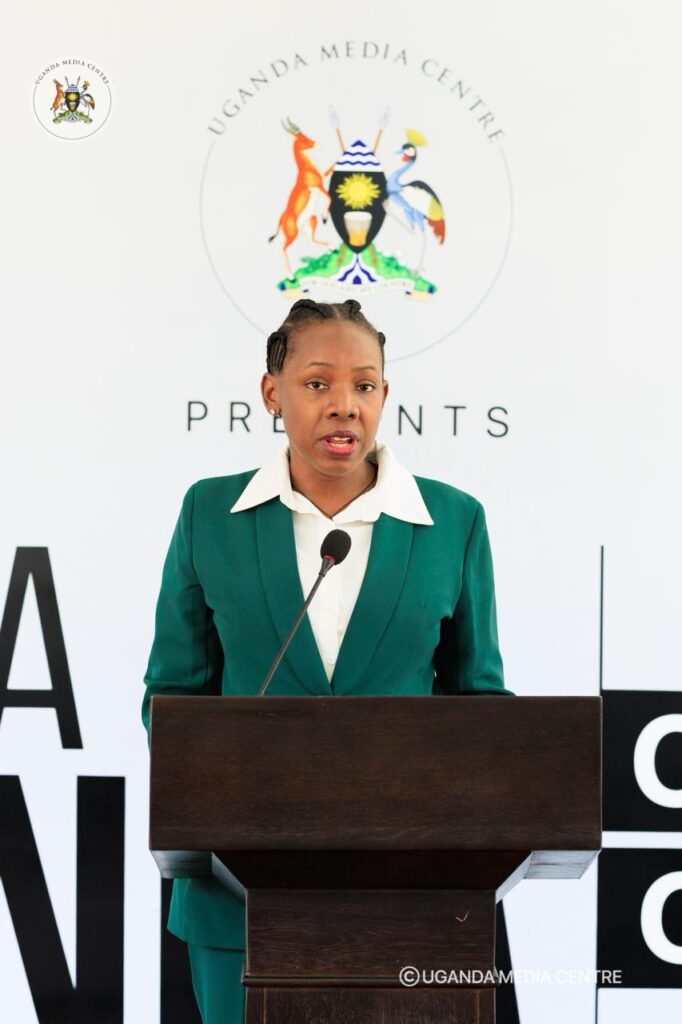
Commissioner for Copyright and Neighbouring Rights Miriam Nabatanzi said effective copyright systems would help creators benefit from their work while encouraging businesses to invest in the creative sector.
The symposium will also build on regional cooperation efforts, including the Kampala Protocol on the Voluntary Registration of Copyright and Related Rights, adopted at a diplomatic conference hosted by Uganda in August 2021.
The meeting forms part of activities leading to ARIPO’s Golden Jubilee in December 2026. URSB has urged creators, businesses, digital platforms, policymakers and the media to promote respect for intellectual property rights and support the growth of a sustainable creative economy.
END