
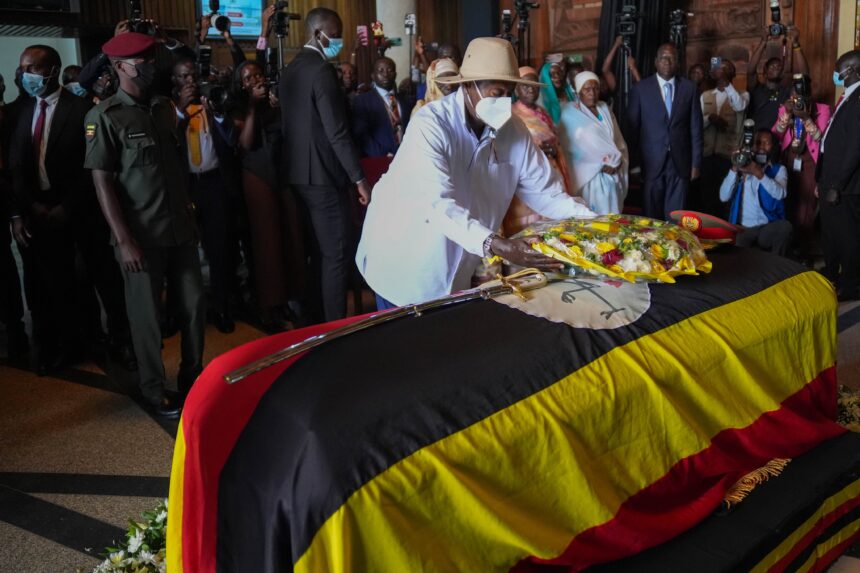
KAMPALA – President Yoweri kaguta Museveni has paid a glowing tribute to the late Rt. Hon. Gen. (Rtd) Moses Ali, describing him as one of Uganda’s most distinguished patriots whose lifelong commitment to freedom, peace and socio-economic transformation helped shape the country’s political and developmental landscape.
Speaking during a special parliamentary sitting convened on Tuesday to honour the veteran statesman, President Museveni hailed Gen. Moses Ali as a freedom fighter who rejected dictatorship, a peacemaker who championed dialogue during Uganda’s turbulent political history, and a development champion whose contributions transformed the West Nile sub-region.
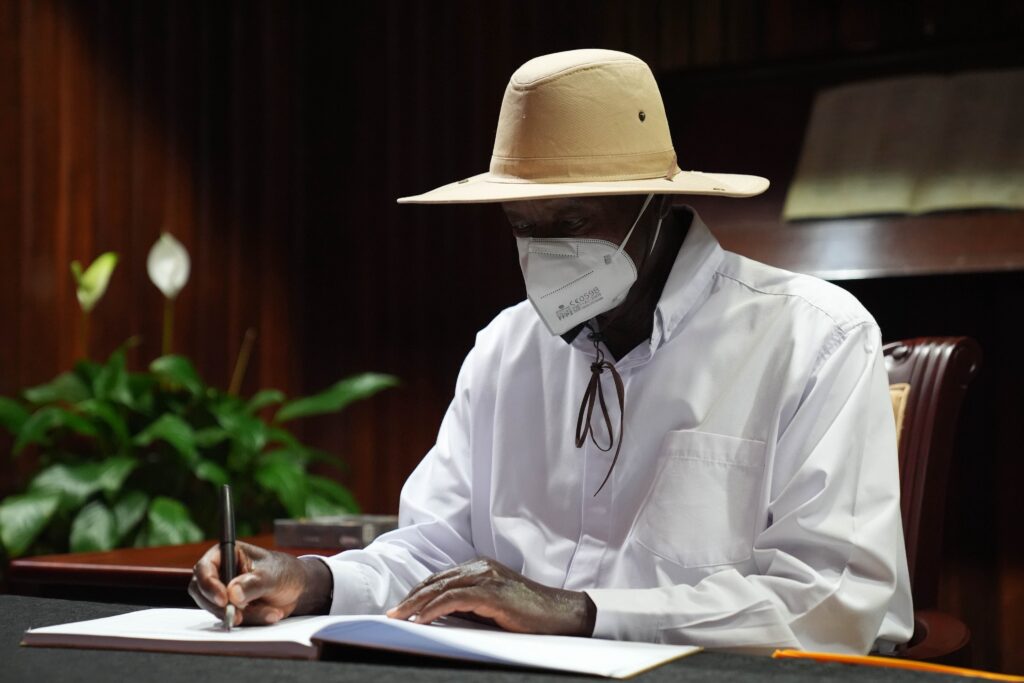
The late Gen. Moses Ali, who passed away on Saturday, July 18, at Nakasero Hospital in Kampala aged 87, leaves behind a legacy spanning more than five decades of public service in both military and civilian leadership. He served Uganda in several senior government positions, including that of Second Deputy Prime Minister and Member of Parliament for Adjumani West County. His death has been widely described as the end of an era in Uganda’s post-independence politics.
Before addressing Parliament, President Museveni laid a wreath on the late General’s casket and consoled the bereaved family in the presence of Vice President Jessica Alupo, Speaker of Parliament Jacob Marksons Oboth-Oboth, Members of Parliament and other dignitaries.
In an emotional tribute, President Museveni reflected on Gen. Moses Ali’s political journey, revealing that although the former military officer participated in the 1971 coup that brought Idi Amin to power, he later became disillusioned by the regime’s brutality and opposed the killing of innocent Ugandans.
“The late Gen. Moses Ali was a lover of freedom. I came to know this because although he had been with Idi Amin in the coup of 1971, I later heard that Moses Ali was not happy with Idi Amin killing people,” President Museveni said.
The President noted that Gen. Moses Ali’s opposition to the excesses of the Amin regime ultimately resulted in his demotion and eventual exile following the government’s collapse in 1979.
According to President Museveni, the late General later joined efforts aimed at overthrowing dictatorship in Uganda, working alongside various liberation groups that contributed to the country’s eventual liberation.
The President used the occasion to recount Uganda’s difficult political history and praised Gen. Moses Ali for choosing the path of patriotism and national unity at critical moments in the country’s history.
“I was the first man in Uganda to oppose Idi Amin. I’m here, and I’m not dead,” President Museveni remarked, drawing laughter from Members of Parliament.
Beyond his role in Uganda’s liberation struggles, President Museveni commended Gen. Moses Ali for his invaluable contribution to peace-building efforts, particularly during the politically volatile years that followed the 1970s.
He described the late statesman as a firm believer in dialogue and reconciliation who consistently rejected violence as a means of resolving political differences. His efforts, the President noted, significantly contributed to fostering lasting peace and stability in Uganda.
“Gen. Moses Ali stood for peace when many others chose conflict. He worked tirelessly to unite communities and supported initiatives aimed at national reconciliation,” the President said.
President Museveni also hailed Gen. Moses Ali’s developmental record in the West Nile sub-region, crediting him with championing transformative infrastructure projects that have improved the lives of millions of Ugandans.
The President highlighted the construction of tarmac roads, the extension of electricity to previously underserved communities and other strategic government investments that have accelerated socio-economic development in the region.
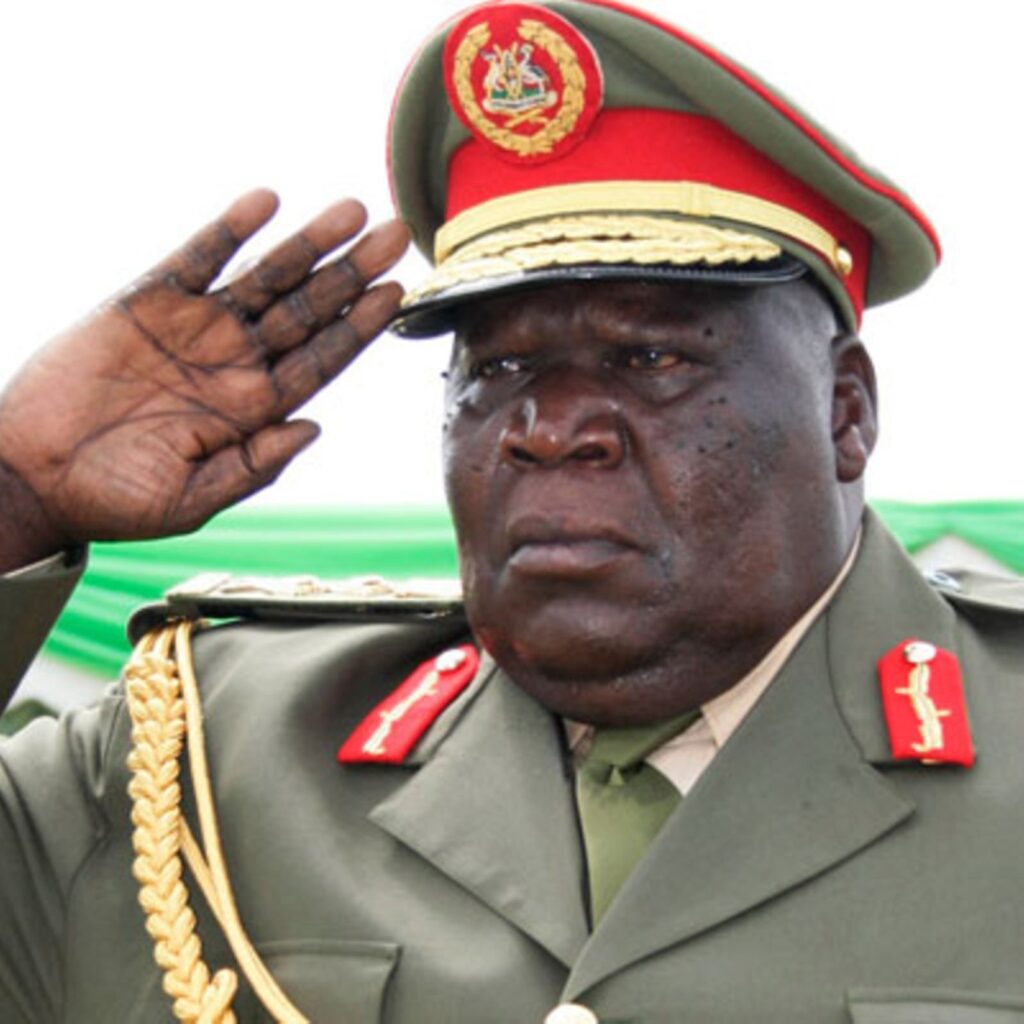
He noted that the late General remained committed to ensuring that the people of West Nile benefited from government programmes and national development initiatives throughout his political career.
However, President Museveni challenged leaders in the region to build upon Gen. Moses Ali’s legacy by prioritising household wealth creation and economic empowerment.
He emphasised that Uganda’s socio-economic transformation agenda can only succeed if leaders focus on improving the livelihoods of ordinary citizens through commercial agriculture, industrialisation and wealth creation programmes.
The President said development should not only be measured by infrastructure but also by the ability of households to generate sustainable incomes and escape poverty.
Summarising the qualities that defined Gen. Moses Ali’s life and service, President Museveni said the late General will forever be remembered for three outstanding attributes.
“I came here to tell you the positive attributes I saw in Gen. Moses Ali: number one, a freedom fighter; number two, a peacemaker; and number three, a development champion,” he said.
President Museveni concluded his tribute by extending heartfelt condolences to the bereaved family, the people of West Nile and the entire nation, praying that Gen. Moses Ali’s soul rests in eternal peace.
As Uganda mourns one of its longest-serving public servants, Gen. Moses Ali’s legacy of patriotism, resilience and service to country is expected to remain a source of inspiration for future generations of leaders. His contributions to national unity, peace-building and development have secured him a permanent place in Uganda’s history.