
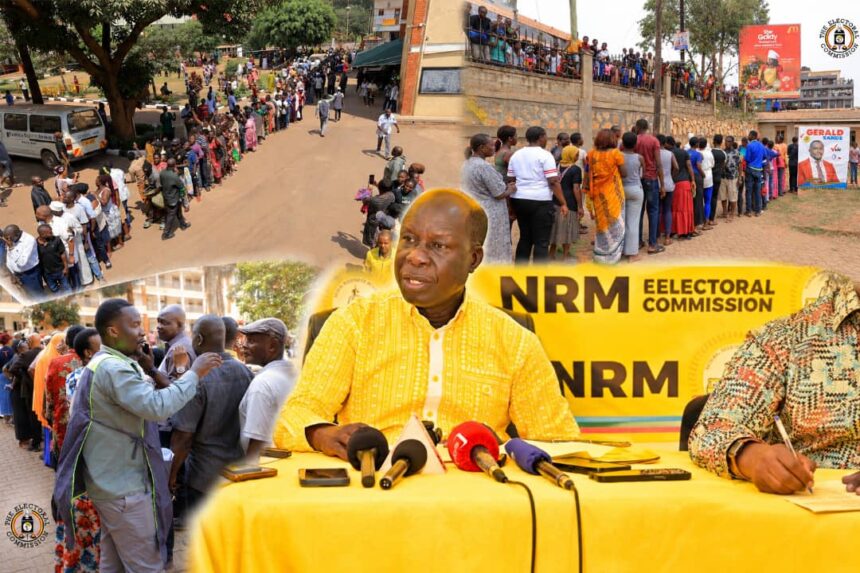
Kampala, Uganda – The National Resistance Movement (NRM) has declared a sweeping victory in the recently concluded Local Council I (LC I) chairperson elections, saying the party secured more than 71 percent of all village chairperson positions across the country.
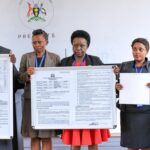
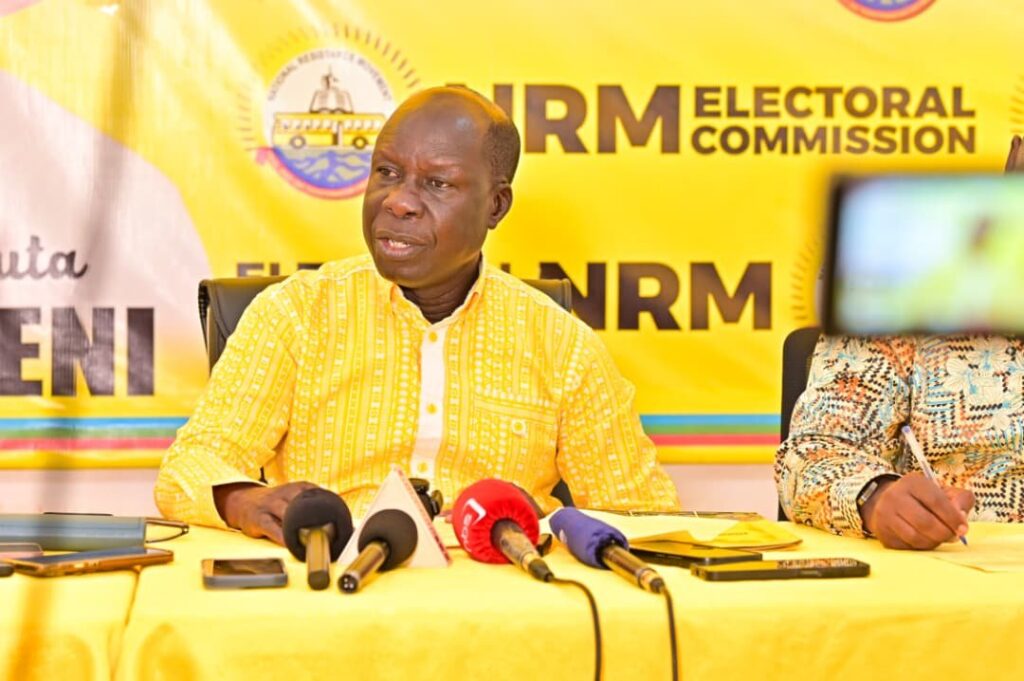
According to an interim report released by the NRM Electoral Commission on July 30, the ruling party won 51,093 of the 71,214 LC I chairperson seats contested during the elections held on July 28, 2026. The report, signed by NRM Electoral Commission Chairperson Dr Tanga Odoi, indicated that the National Unity Platform (NUP) emerged a distant second with 13,861 seats, while other political parties collectively secured 3,971 positions. Results from 2,289 villages were still pending by press time.
The preliminary figures translate into 71.7 percent for the NRM, 19.5 percent for NUP, 5.6 percent for other political parties, and 3.2 percent of results yet to be declared.
“The NRM Electoral Commission is happy to report to the country that the NRM performed exceedingly well in the elections,” the commission said in its interim report, before congratulating party supporters on what it described as a “great victory.”
The results underscore the ruling party’s continued dominance at the grassroots level, where village leadership structures have historically played a crucial role in mobilization and community governance.
The announcement comes as the country prepares for another round of internal party elections on Friday, July 31, when NRM members will elect flag bearers for LC II chairperson and Women Council positions at the parish level.
Under the guidelines issued by the NRM Electoral Commission, elections for LC II chairpersons will be conducted through an electoral college comprising members of the LC I Executive Committees within each parish who subscribe to the NRM.
Similarly, candidates seeking the position of Women Council Chairperson at the parish level must be members of the Village Women’s Committees in their respective parishes, while voting will be restricted to committee members affiliated with the ruling party.
The commission clarified that the elections will be conducted strictly through the electoral college system and by lining up behind candidates, in line with the party’s established electoral procedures.
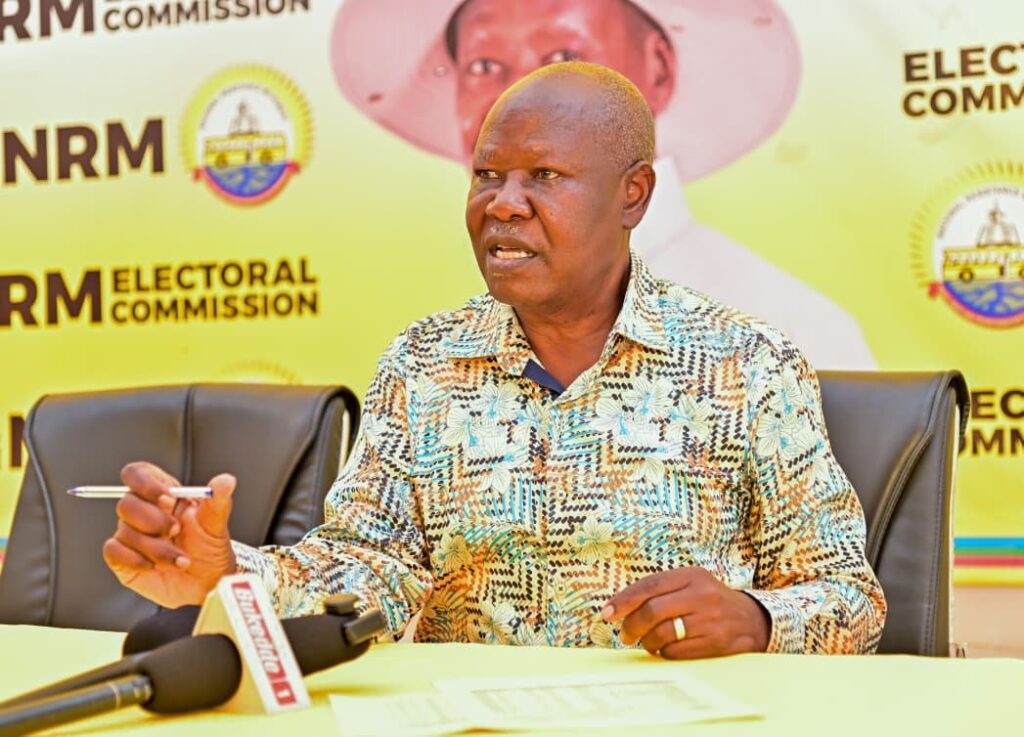
The NRM Electoral Commission further outlined the composition of the LC I Executive Committee, which comprises 11 members, including the chairperson, vice chairperson, general secretary, secretaries responsible for information, security, finance, production and environmental protection, as well as representatives for youth, women, persons with disabilities and older persons.
“All these leaders above are the eligible voters for LC II Chairman,” the commission noted, adding that any candidate contesting for the LC II position must be a member of the LC I Executive Committee within the parish.
The electoral body also emphasized that at least one-third of executive committee members at village and parish levels must be women, equivalent to a minimum of four members in each committee.
Meanwhile, the commission announced that villages where the National Electoral Commission did not conduct LC I elections on July 28 will hold the polls on August 1, 2026. Consequently, NRM primaries in affected parishes have been rescheduled to August 2.
The roadmap further indicates that nominations for LC II chairpersons and Women Council candidates by the National Electoral Commission will take place on August 3.
General elections for Women Councils are slated for August 7, while elections for LC II chairpersons will be conducted on August 10, according to the timetable released by the commission.
Political analysts say the outcome of the LC I elections could provide an early indication of party strengths ahead of future national contests, particularly as political parties intensify efforts to consolidate their grassroots structures.
For the NRM, the latest results are expected to bolster confidence within party ranks as it seeks to maintain its longstanding influence across Uganda’s villages and parishes.
In closing the interim report, Dr Odoi thanked party members for their participation and pledged that the commission would continue issuing periodic updates on the subsequent elections for Women Councils from sub-county to national level.
With the next phase of the electoral calendar now underway, attention shifts to parish-level contests that are expected to test the organizational strength of party structures across the country.