
KAMPALA — Government has emerged as one of the biggest stakeholders in Uganda’s football and wider sports industry, with increased funding, new legislation, infrastructure development and policy reforms transforming the sector.
The argument is that while FIFA maintains that the interpretation and application of football statutes and regulations are matters reserved for football’s internal stakeholders, the growth of the game requires the contribution of both internal and external stakeholders.
Football’s internal stakeholders include players, coaches, clubs, officials and referees, while external stakeholders include governments, sponsors, the media and fans.
Among these, Government remains a particularly influential stakeholder because of its ability to provide funding, create laws, develop infrastructure and formulate policies that directly affect the growth of sport.
Uganda’s football leadership says it recognised the importance of Government involvement early.
On January 23, 2015, the Federation of Uganda Football Associations (FUFA) invited President Yoweri Kaguta Museveni as the chief guest to launch the Project Cameroon 2019 initiative. The President was represented at the event by then Vice President Edward Kiwanuka Ssekandi.
According to the account, a brief exchange before the Vice President left became a defining moment in the campaign to position football as more than just recreation.
The message to Government was that football should be treated as a full economic activity, capable of creating jobs, attracting investment and contributing to national development.
The football leadership identified four key areas where Government support was required — Funding, Law, Infrastructure and Policies (FLIP).
Since then, the Government’s involvement in sports has grown significantly, particularly under the leadership of Education and Sports Minister Janet Kataaha Museveni.
From Shs2 billion to more than Shs500 billion
One of the clearest indicators has been the increase in public funding for the sports sector.
According to the figures presented, Government’s allocation to sports has grown from about Shs2 billion in 2015 to more than Shs500 billion in a single financial year.
The sector has also moved from operating under the 1964 National Council of Sports Act to the National Sports Act, 2023, providing a modern legal framework for the management and development of sports in Uganda.
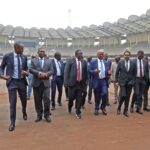
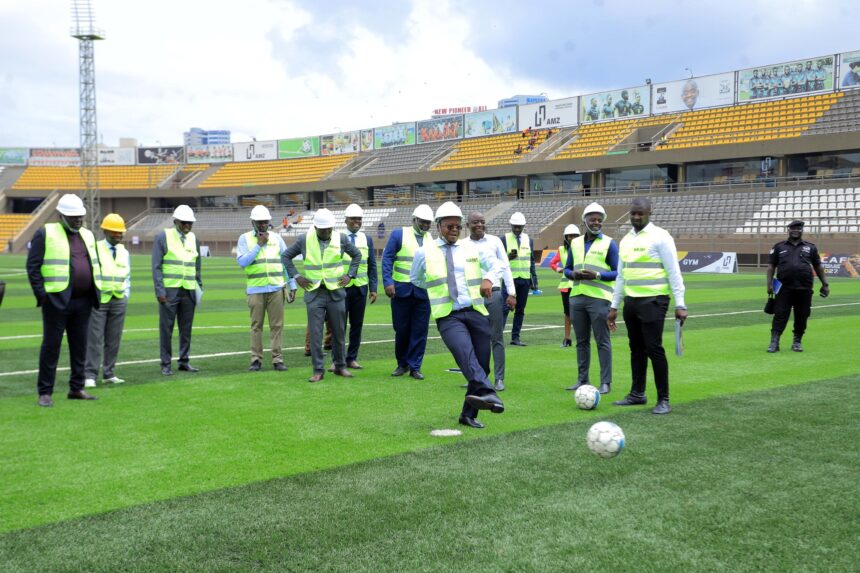
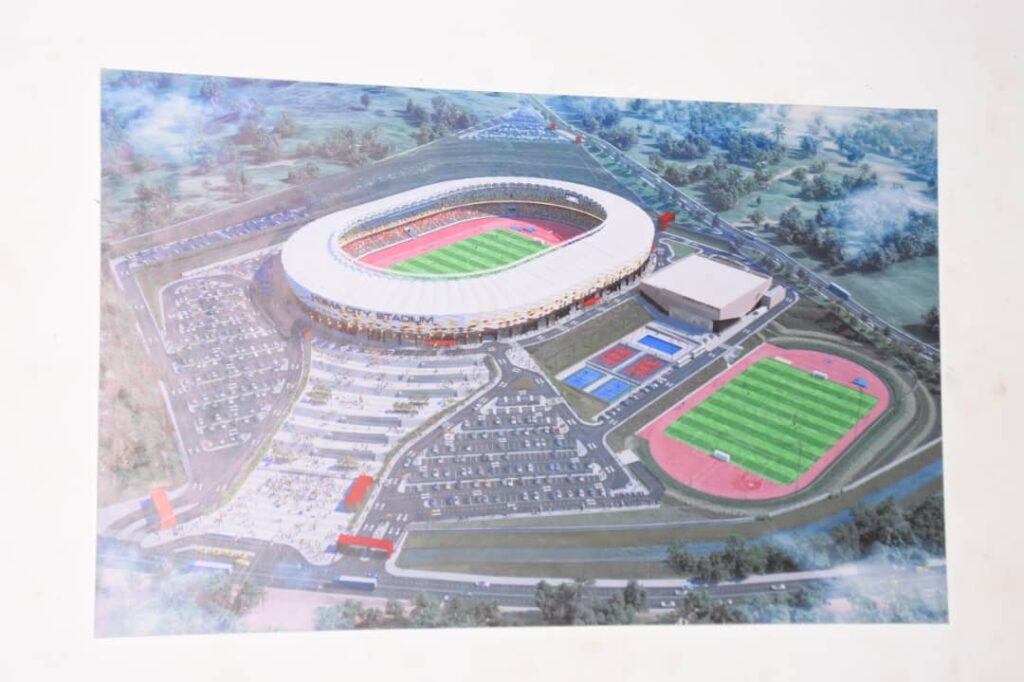
Infrastructure has equally become a major area of Government investment, with the country moving from what was described as a system-wide infrastructure breakdown to the development and rehabilitation of major sporting facilities, including stadiums outside Kampala.
Beyond AFCON 2027
As Uganda, Kenya and Tanzania prepare to host the 2027 Africa Cup of Nations (AFCON), the conversation is increasingly shifting beyond simply hosting the tournament.
The bigger question now is how Uganda can use the tournament and the infrastructure surrounding it to build a sustainable sports industry after AFCON 2027.
This includes creating opportunities for investment, employment, tourism, sports businesses and other economic activities linked to football and sport.
The message from football stakeholders is that Government is listening, and that the next step is to communicate with policymakers in a language that demonstrates how sports can contribute to Uganda’s broader economic ambitions.
The challenge, therefore, is not only to secure Government support but also to ensure that the right stakeholders are positioned to turn that support into lasting opportunities for Uganda’s sports industry.
The football agenda is no longer simply about playing the game — it is increasingly about building an industry around it.