

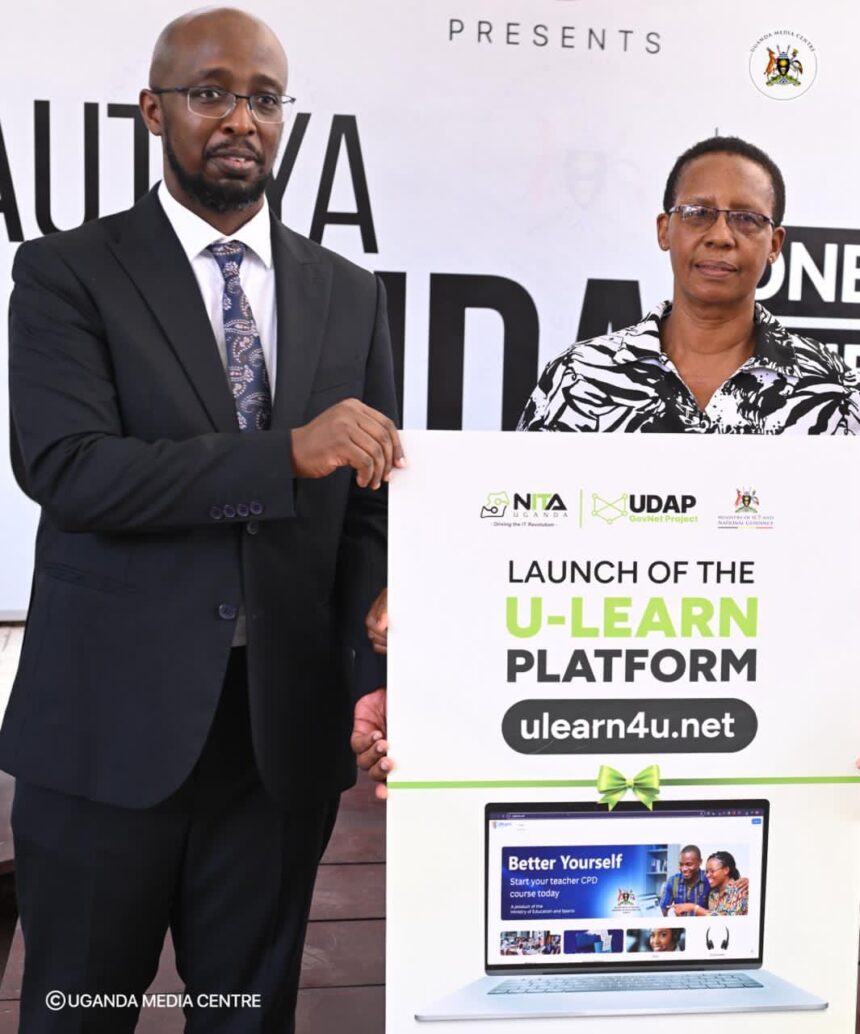
KAMPALA — The Ministry of ICT and National Guidance, together with the National Information Technology Authority-Uganda (NITA-U), has unveiled new digital platforms aimed at improving access to public services, strengthening accountability and accelerating Uganda’s digital transformation agenda.
The platforms were unveiled on Wednesday, August 12, 2026, during a press conference at the Uganda Media Centre in Kampala, bringing together government officials, journalists and key stakeholders from the education and human rights sectors.
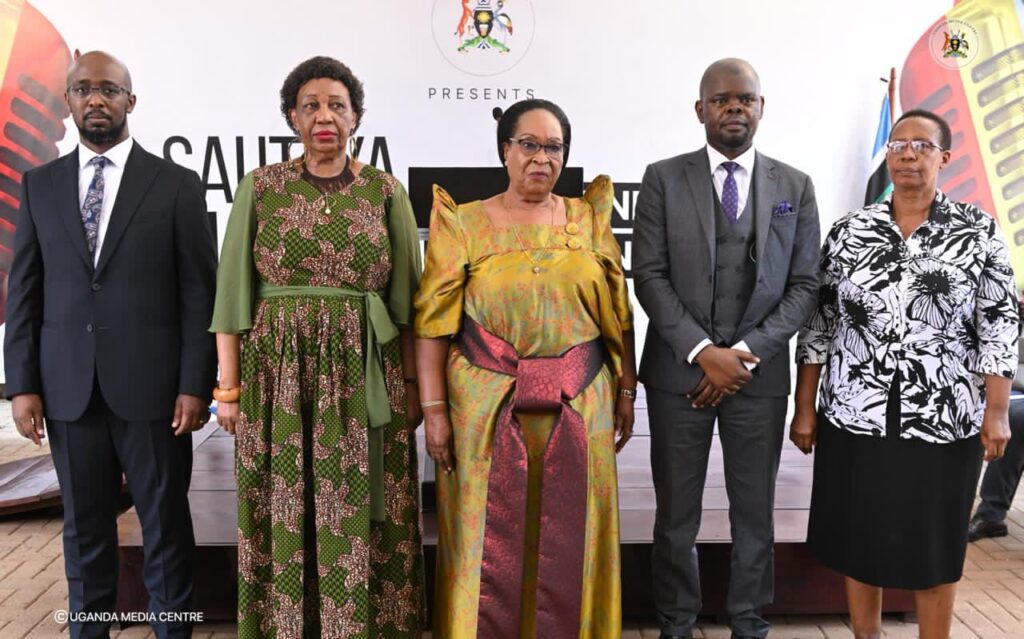
Among the officials who addressed the media were NITA-U Executive Director Dr Hatwib Mugasa, Uganda Human Rights Commission (UHRC) Chairperson Justice Mariam Wangadya, State Minister for Information, ICT and National Guidance Joyce Nabbosa Ssebugwawo, and a Commissioner from the Ministry of Education and Sports Mugisha Annet kajura.
The initiative is part of government’s broader effort to use information and communication technology to improve service delivery and make government services more accessible to citizens.

Mugasa: Digitalisation must improve public services
Dr Mugasa said NITA-U is committed to developing and supporting digital systems that respond to the needs of Ugandans while making government services more efficient.
He emphasised the importance of using technology to reduce bureaucracy, improve access to information and strengthen the way citizens interact with public institutions.
NITA-U has been at the centre of Uganda’s digital transformation, including development of the National Backbone Infrastructure and a number of e-government platforms. The authority says its work is focused on using ICT to enhance the delivery of public services.
The new developments come at a time when government is increasingly integrating digital platforms into education, administration and citizen services.
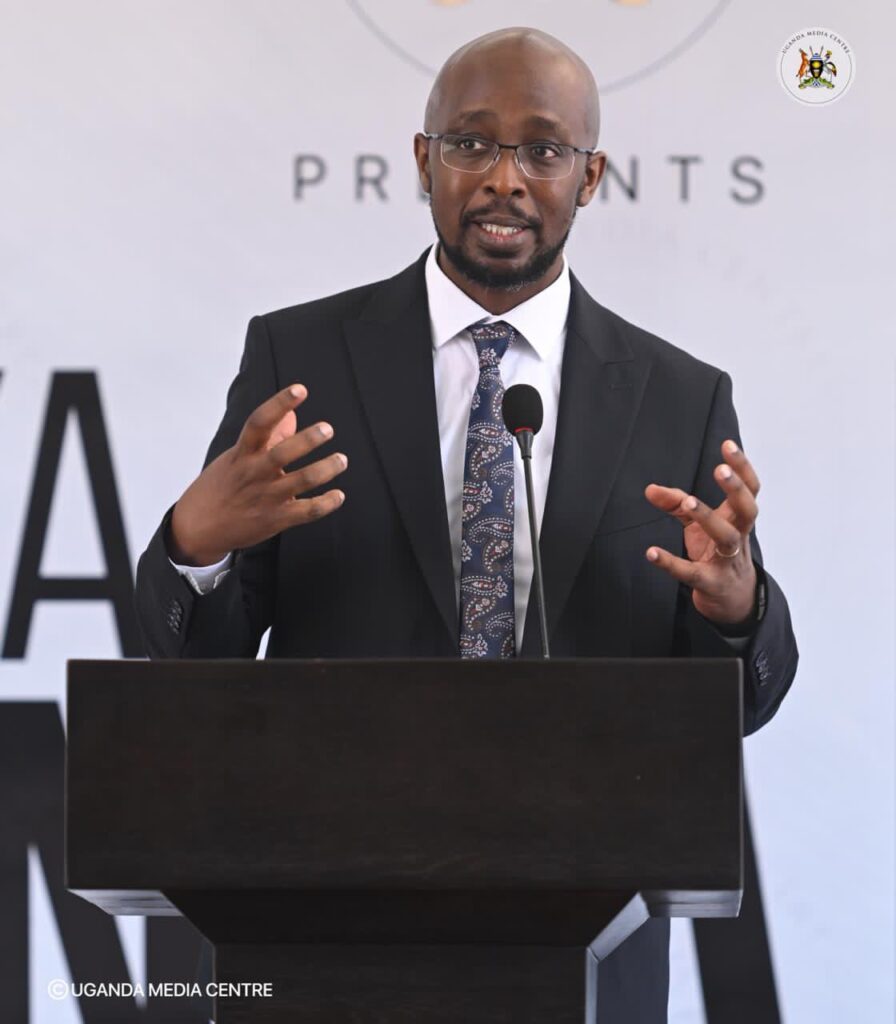
Dr hatwib Mugasa the director Nita -UJustice Wangadya: Technology to strengthen human rights protection
UHRC Chairperson Justice Mariam Wangadya highlighted the importance of digital systems in improving the Commission’s ability to receive, manage and follow up human rights complaints.
She said the digitalisation of the Commission’s case-management processes would help improve efficiency, accountability and access to justice.
The development of a UHRC case-management system is expected to make it easier for complaints and cases to be recorded, tracked and managed, while strengthening institutional monitoring.
Justice Wangadya’s participation also underlined the growing connection between technology, human rights and access to public services.
The UHRC has previously worked with government and media stakeholders on issues concerning rights, including freedom of the press and access to information.
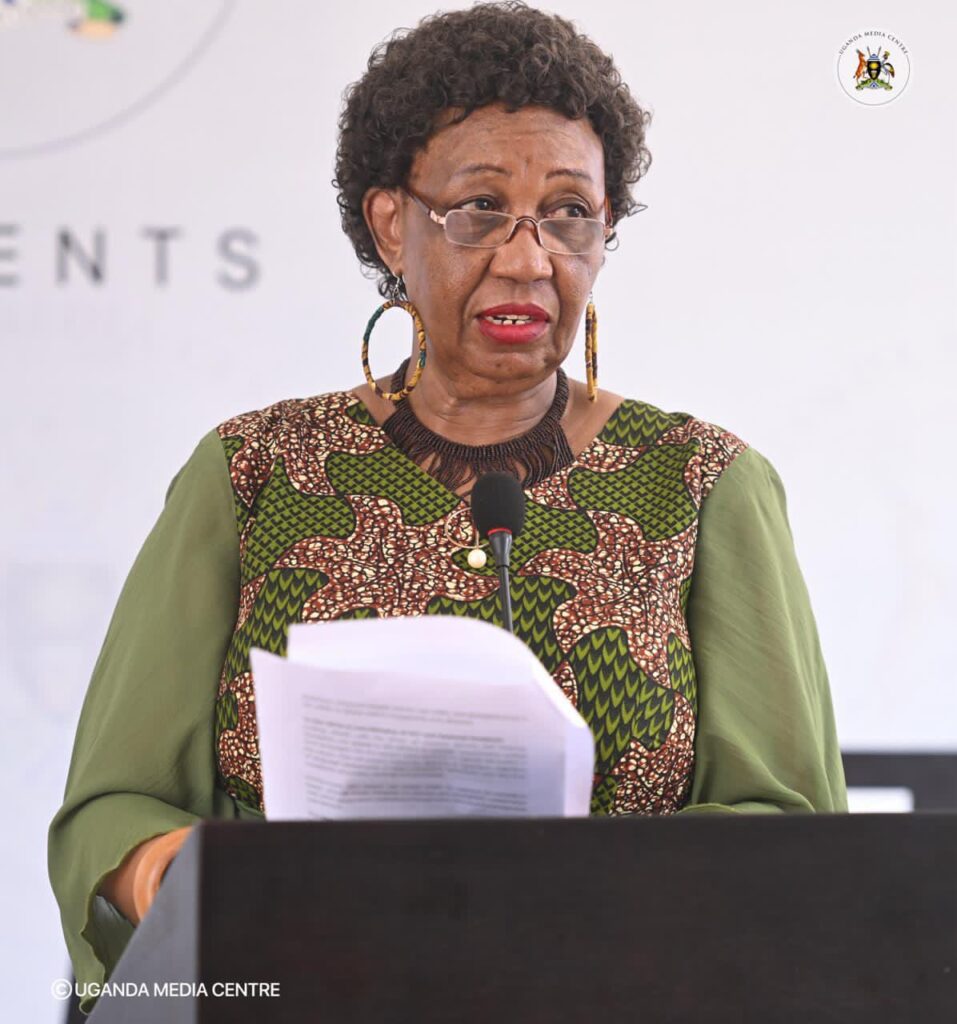
Justice Mariam Fauzat Wangadya the chairperson of the Uganda humman rights commissionSsebugwawo: Digital transformation must benefit ordinary Ugandans
State Minister for Information, ICT and National Guidance Joyce Nabbosa Ssebugwawo said government’s digital transformation agenda should ultimately translate into better services for ordinary Ugandans.
She said technology should not simply be about introducing new systems, but should be used to solve real challenges faced by citizens and institutions.
Ssebugwawo has previously participated in NITA-U programmes aimed at expanding digital connectivity and e-government services across the country. NITA-U records her involvement in the rollout of ICT infrastructure and e-government initiatives in different parts of Uganda.
The Minister stressed the importance of cooperation between government institutions as Uganda continues to expand its digital economy.
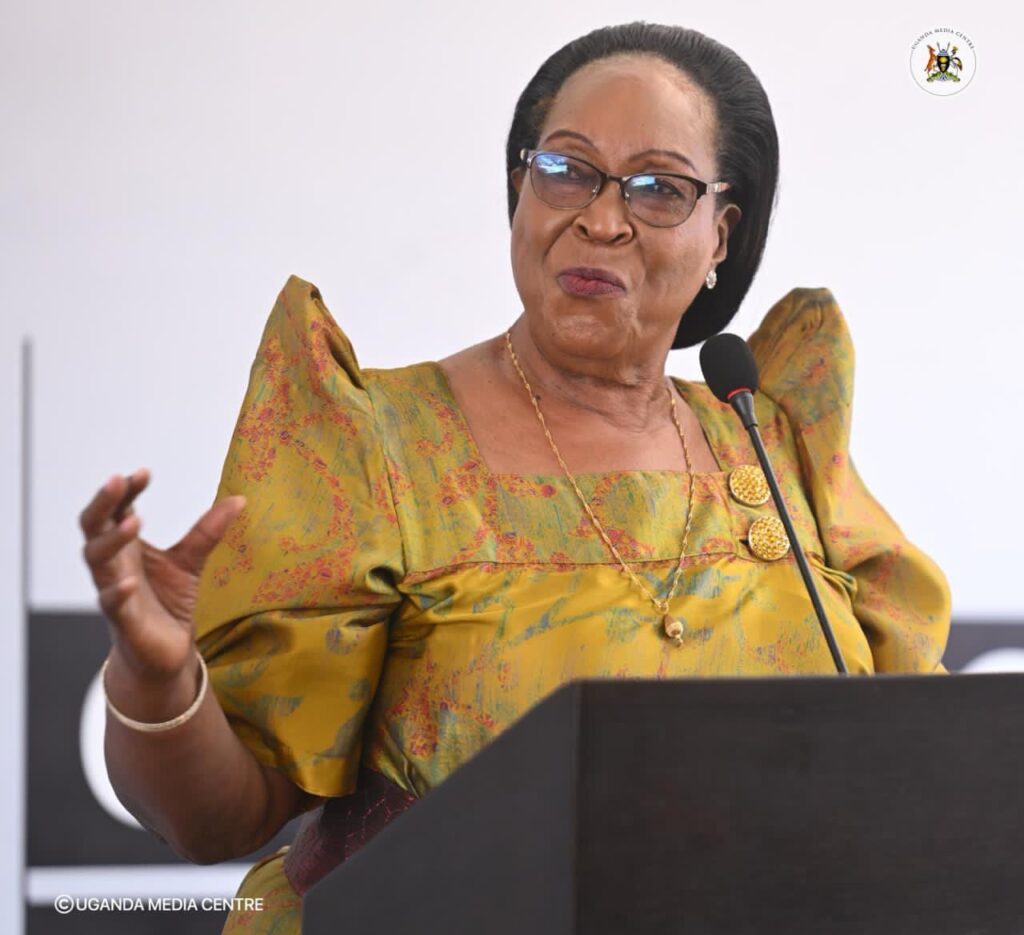
Joyce Nabbosa Sebugwawo the minister of state for information, ict and national guidance Education sector embraces digital learning
The Commissioner from the Ministry of Education and Sports Mugisha Annet kajura explained the importance of digital platforms in supporting teaching and learning.
The education sector has increasingly embraced technology as government seeks to expand access to learning materials, improve teacher development and strengthen the delivery of education services.
The U-Learn platform, which was among the initiatives highlighted during the engagement, is expected to support digital learning and provide opportunities for learners and teachers to access educational content through technology.
NITA-U has recently highlighted its collaboration with the Ministry of Education and Sports around U-Learn, including its use in teacher education and professional development.
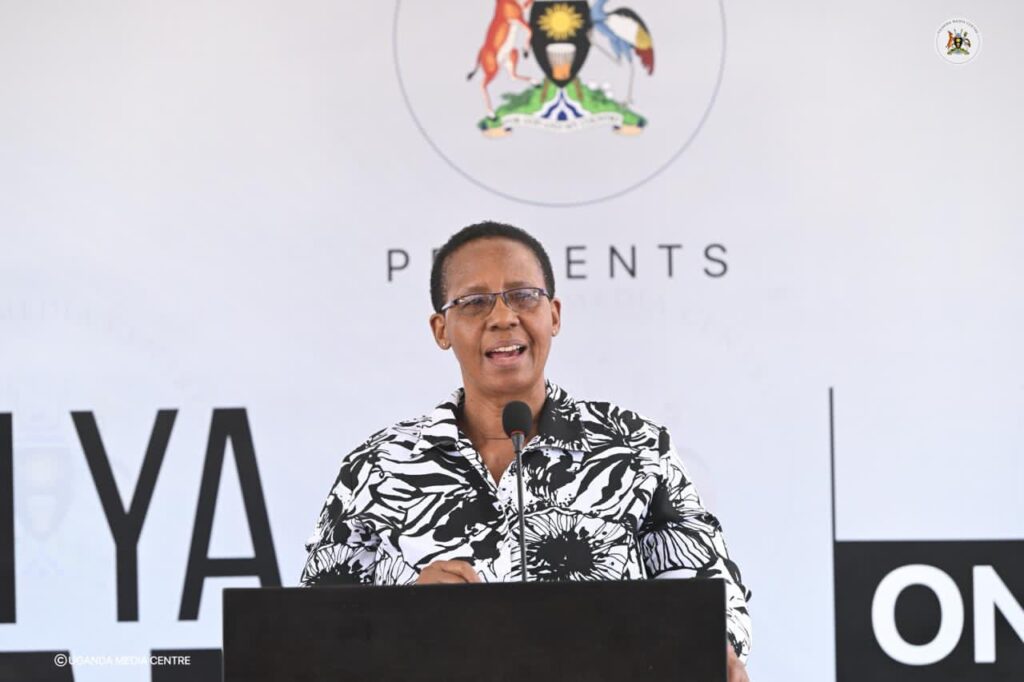
Mugisha Annet kajura the commissioner from the ministry of education and sportsGovernment pushes digital government agenda
The launch comes as Uganda accelerates implementation of its digital government agenda, with NITA-U playing a central role in providing the technological infrastructure and platforms required by government institutions.
NITA-U has previously reduced the cost of internet bandwidth for government institutions and expanded connectivity through the National Backbone Infrastructure, while also developing digital services designed to improve interaction between citizens and government.
The latest platforms are therefore being positioned not only as technology projects, but as tools for improving public service delivery, transparency, education and protection of citizens’ rights.
For Uganda, officials said, the success of digital transformation will ultimately be measured by how effectively technology improves the lives of ordinary citizens.
Daily MirrorUG | Kampala