
KAMPALA — The National Water and Sewerage Corporation (NWSC) has highlighted a decade of rapid expansion, financial growth and technological transformation, while acknowledging persistent water supply challenges in parts of the country caused by rapid urbanisation and pressure on existing infrastructure.
Speaking during a stakeholder media roundtable in Kampala on Thursday, August 14, 2026, NWSC Managing Director Eng. Dr Silver Mugisha said the Corporation has transformed significantly over the past decade, expanding its customer base, infrastructure, geographical coverage and population served.
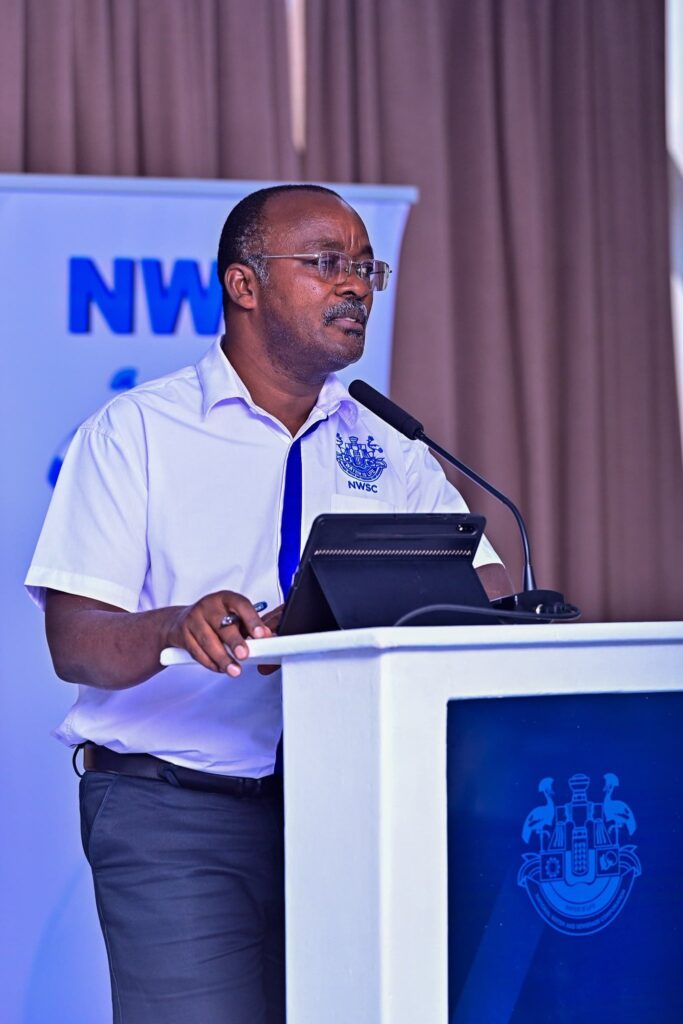
Eng Dr silver mugisha the managing director at NWSCDr Mugisha said the growth has been driven by deliberate investment, financial discipline, operational efficiency, innovation and an aggressive expansion strategy aimed at extending safe and reliable water and sanitation services to more Ugandans.
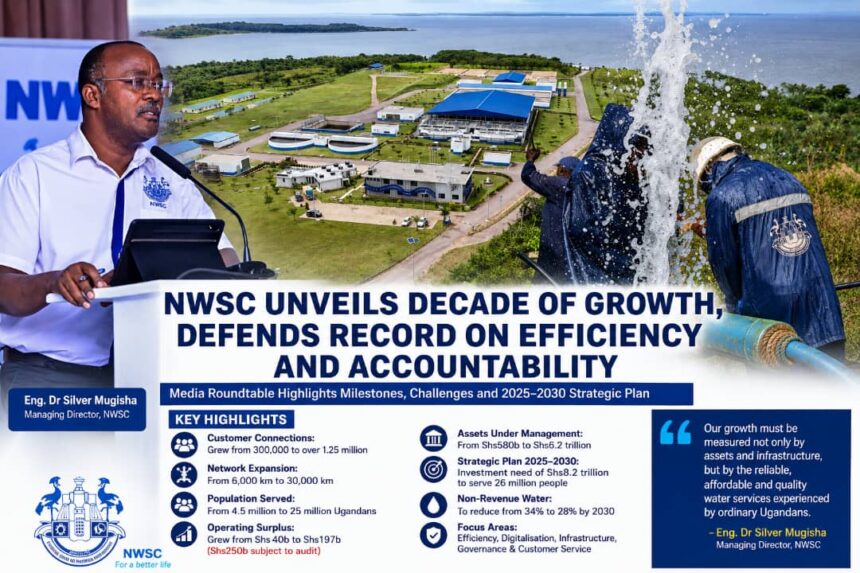
According to the brief presented to journalists, NWSC’s customer connections have grown from about 300,000 a decade ago to more than 1.25 million, while its water network has expanded from approximately 6,000 kilometres to about 30,000 kilometres.
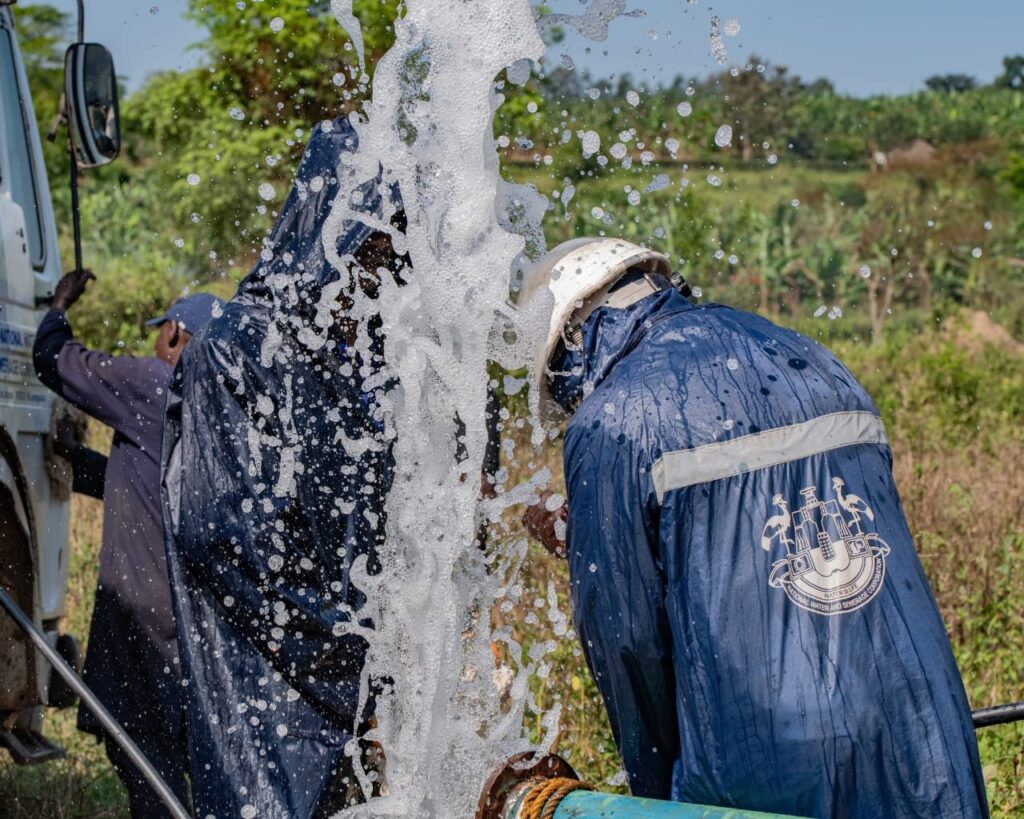
The number of towns served has also risen from just 23 to about 290, with the population receiving NWSC services increasing from approximately 4.5 million people to about 25 million Ugandans.
The figures are consistent with the Corporation’s wider expansion under Dr Mugisha, who has served as Managing Director since 2013. NWSC’s own records show that the Corporation has been pursuing a strategy of expanding access while improving operational and financial sustainability.
Financial transformation
Dr Mugisha told journalists that NWSC’s financial position has also changed considerably.
He said the Corporation’s annual operating surplus before depreciation has grown from about Shs40 billion to Shs197 billion, with the latest briefing putting the figure at approximately Shs250 billion, subject to verification through external audit.
At the same time, the value of assets under NWSC management has risen from approximately Shs580 billion to more than Shs6.2 trillion.
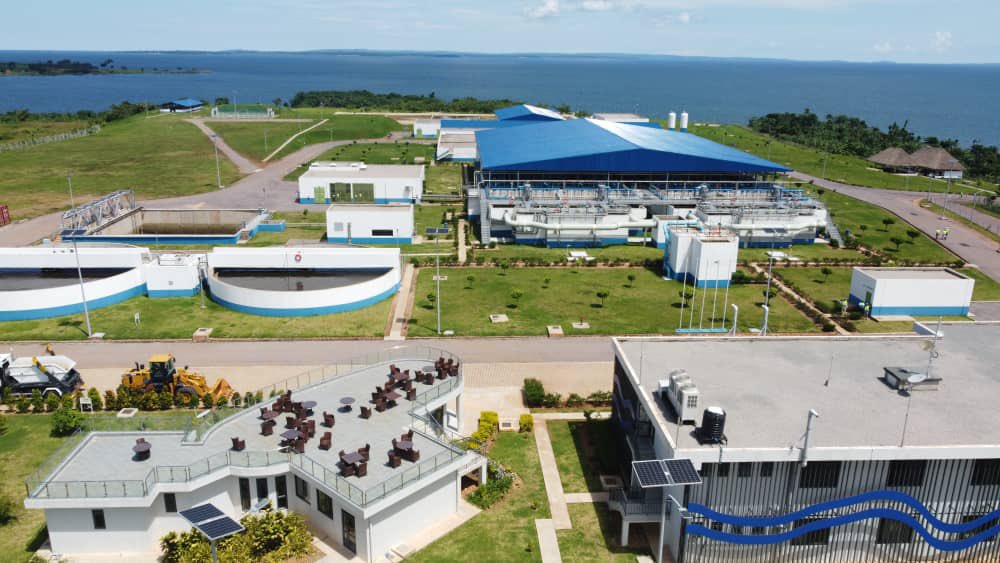
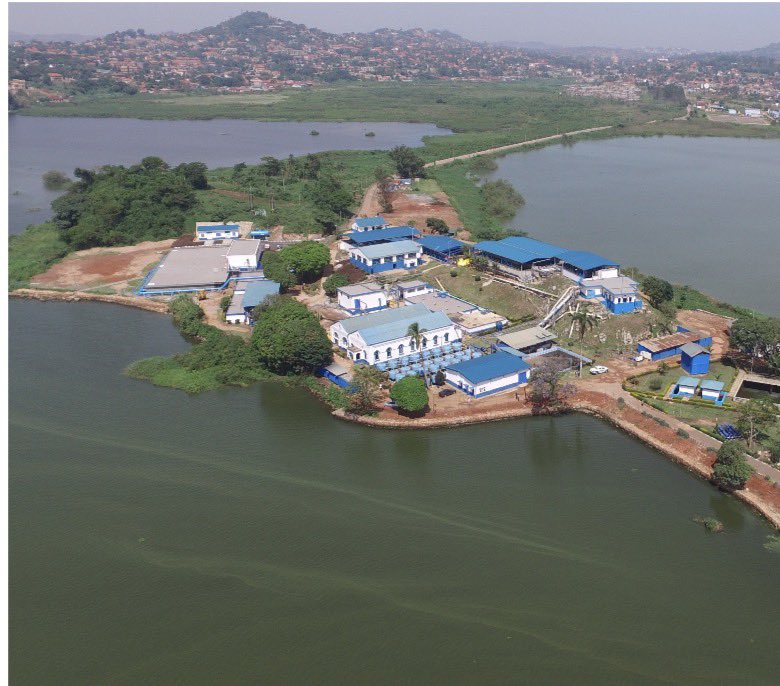
Some of the assets of the national water and sewerage corporation ie sewerage treatment plants and water treatment centersThe Managing Director attributed the growth to stronger financial controls, improved productivity, expansion of the customer base and measures aimed at ensuring that public resources are used efficiently.
NWSC’s current five-year strategic direction similarly places strong emphasis on financial sustainability. Its official targets include growing annual turnover to Shs768 billion and increasing the asset base to Shs6.8 trillion by 2030.
Water shortages remain a challenge
Despite the impressive expansion, Dr Mugisha acknowledged that some parts of the Greater Kampala Metropolitan Area and other parts of the country continue to experience unreliable water supply.
He attributed the problem largely to the speed of population growth and industrialisation, which he said has in some places outpaced the capacity of existing distribution networks.
“The challenge is not simply about producing water,” the Corporation’s position explained, noting that distribution infrastructure, pumping capacity and network configuration must keep pace with rapidly expanding urban areas.
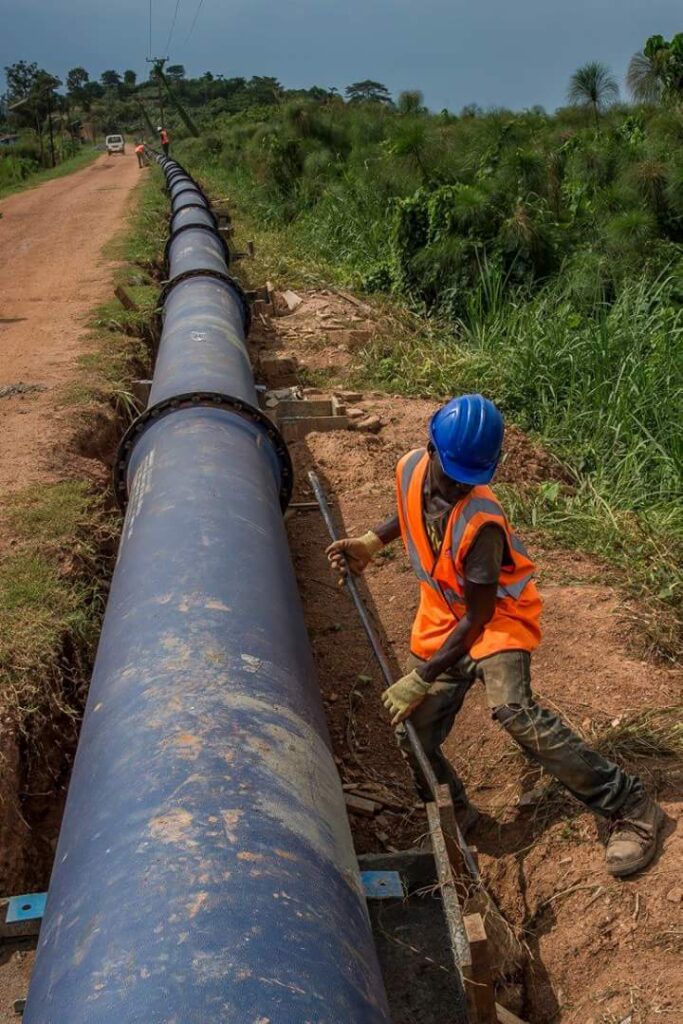
NWSC is therefore implementing water supply stabilisation programmes in several towns, including network optimisation, upgrading pumping systems and eliminating dry zones.
The Corporation has previously explained that some of the intermittent supply problems in Greater Kampala are linked to rapid urbanisation and population growth that has placed extraordinary pressure on sections of the distribution network.
Dr Mugisha said the Corporation is continuing to work with development partners and use available operational resources to address the gaps.
He stressed that management remains committed to improving reliability and achieving equitable distribution of water across the country.
Shs8.2 trillion strategic plan
The media engagement comes at a time when NWSC is implementing its 2025–2030 Strategic Plan, a five-year roadmap designed to accelerate infrastructure development, improve customer experience, strengthen financial sustainability and expand water and sanitation services.
The plan carries an estimated investment requirement of about Shs8.2 trillion and targets increasing the population served from approximately 20 million to 26 million people.
NWSC also plans to increase connections, expand its network and reduce non-revenue water — water that is produced but does not generate corresponding revenue because of leaks, illegal connections and other losses.
The Corporation’s official targets include increasing connections from about 1.004 million to 1.294 million, raising the population served from 20 million to 26 million and reducing non-revenue water from 34 percent to 28 percent.
Ten-point efficiency strategy
A major theme of Dr Mugisha’s presentation was how NWSC has sought to achieve expansion without allowing operational costs to grow at the same pace.
He outlined what he described as a 10-point success strategy, built around internal capacity, tighter controls, digitalisation and performance management.
The first is increased use of force-account contracting, where NWSC uses its own technical teams and labour to undertake medium-sized construction works instead of depending entirely on external contractors.
According to the Corporation, this approach reduces project execution costs and can accelerate completion.
The second is investment in in-house information technology systems.
NWSC has developed and deployed several digital platforms internally, including electronic payment and billing systems, e-procurement and financial management systems, an electronic human resource management system and a water quality management system.
The strategy is intended to reduce dependence on expensive third-party technology providers while giving the Corporation greater control over its systems.
NWSC has increasingly presented digital transformation as a key part of its modernisation agenda, particularly in improving billing, monitoring operations and supporting data-driven management.
The third area is internal engineering design capacity.
Dr Mugisha said NWSC’s engineers have designed a number of water projects internally, including treatment plants, regional water supply systems and network expansion projects.
Projects cited include the Kapenguria Water Treatment Plant in Kapchorwa, the Lira water improvement project, the Nkanka/Kisoro water supply project and regional systems in Karungu, Kyankwanzi, Lyantonde, Kapeeka, Soroti, Hoima, Kitgum, Bushenyi and Kanungu.
Audits, staff performance and cost control
The fourth pillar is the use of targeted special audits to strengthen financial discipline, identify waste and ensure value for money.
Dr Mugisha said internal controls are complemented by performance-based incentive contracting, structured task-force overtime arrangements and continuous monitoring of staff productivity.
The Corporation has also embraced digitalisation of administrative processes, quarterly staff performance assessments and continuous learning programmes.
The tenth measure is a zero-tolerance approach to poor contractor performance, with third-party service providers expected to meet contractual obligations and deliver value for money.
The Managing Director said these measures are intended to ensure that NWSC’s growth is matched by productivity and accountability.
Governance and accountability
The media engagement also touched on several matters that have recently attracted public attention.
On the prepaid metering project, NWSC said the matter was audited by the Public Procurement and Disposal of Public Assets Authority (PPDA) during the 2020/21 financial year.
Management said it implemented the recommendations arising from the process and that PPDA formally closed the inquiry in 2021.
Regarding a 2023 cyber-security incident, NWSC said it engaged independent cyber-security experts to conduct a forensic investigation while the Office of the Auditor General separately examined aspects of the Corporation’s information technology architecture.
Management said disciplinary measures were taken against compromised actors and recommendations arising from the audit process were implemented to strengthen cyber-security governance.
The Corporation also defended its decision to adopt a risk-retention insurance model, saying the arrangement has generated savings of more than Shs10 billion, which it says have been redirected into water infrastructure.
On staff retention beyond the normal retirement age, NWSC said such cases are exceptional and are handled under the Corporation’s Human Resources Manual, particularly where specialised skills are considered critical to service delivery.
Bushenyi property acquisition defended
NWSC also addressed questions surrounding the acquisition of the former Crane Hotel property in Bushenyi, which it says was procured to establish a regional training hub.
According to the Corporation, the procurement followed the procedures contained in its Corporate Plan and went through statutory processes, including valuation by the Chief Government Valuer and legal clearance by the Solicitor General.
NWSC said the facility forms part of its broader strategy to establish regional training centres, with similar facilities planned or developed in other parts of the country.
Katosi and other major projects
The Corporation further defended procurement processes surrounding major water projects, including the Katosi Water Works and other projects in Kampala.
It said major procurement processes have been subjected to donor procurement requirements and PPDA procedures.
NWSC maintained that allegations concerning procurement breaches were investigated by institutions including the Inspectorate of Government, PPDA and development partners, and that the investigations did not establish wrongdoing.
The Corporation’s emphasis on Katosi comes as it continues to invest in production capacity to respond to Kampala’s rapidly growing demand.
The Katosi Water Treatment Plant remains one of NWSC’s major infrastructure investments, while the Corporation is also implementing projects across regional towns. The strategic plan places infrastructure expansion and service reliability at the centre of its growth agenda.
Expansion beyond Kampala
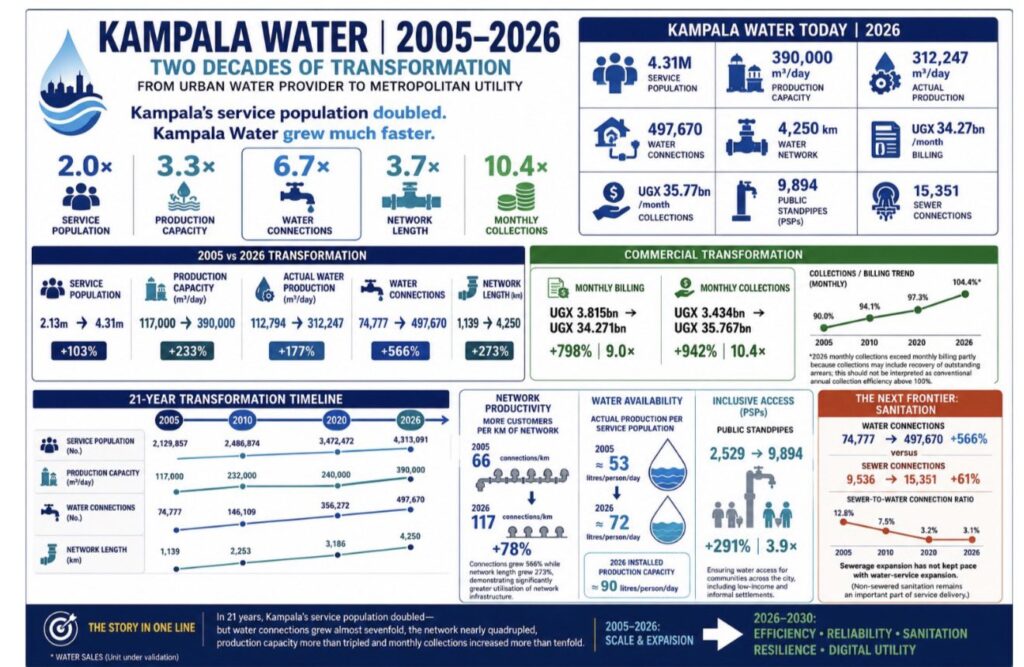
Kampala’s water supply network has grown with the city’s rapidgeographical expansion, from a system established in the 1930s that served approximately 30,000 people to a modern network now supplying water to more than 5 million people. – Eng Mahmood Lutaaya, General Manager, Kampala Water.
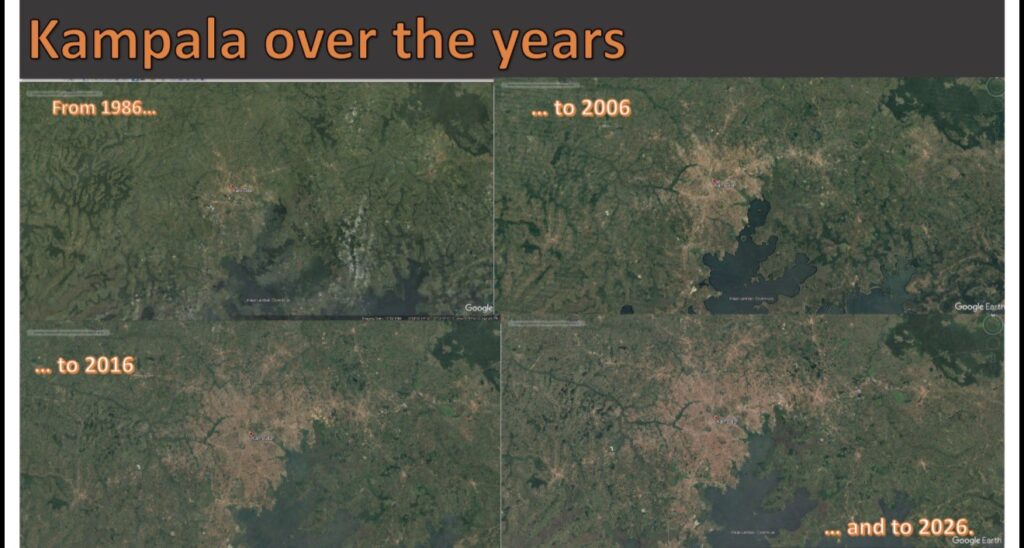
NWSC’s transformation is increasingly being reflected outside the capital.
Earlier this year, the Corporation announced plans to expand its services to additional towns, including through a proposed US$200 million Sustainable Water Supply and Sanitation Project targeting dozens of towns across Uganda.
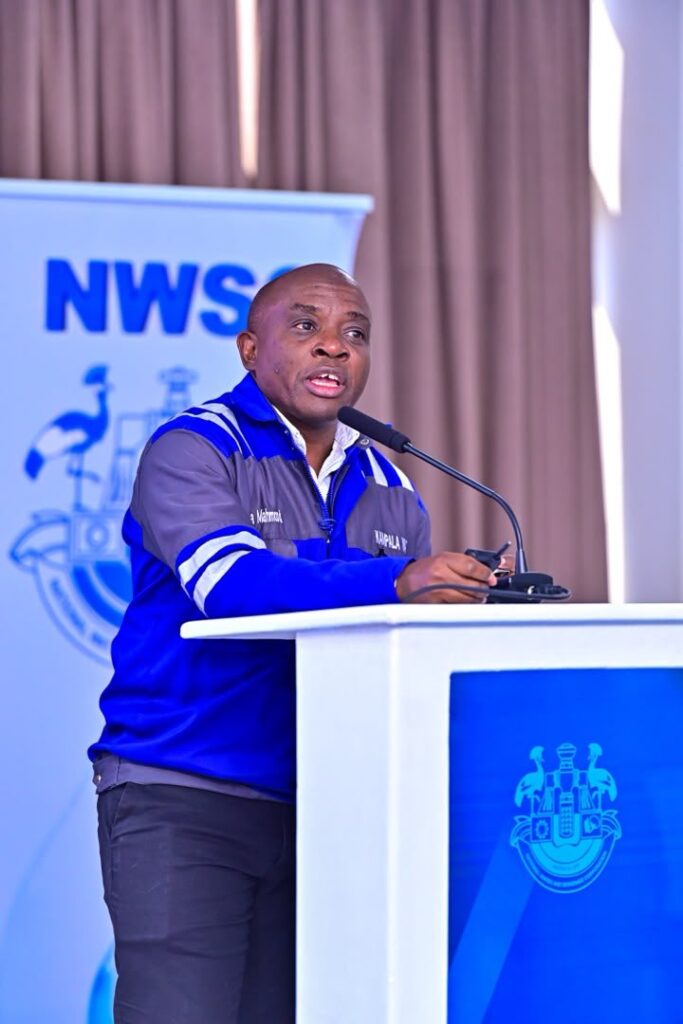
Eng Muhammad Lutaya director Kampala water at NWSCThe project is intended to address ageing infrastructure, increase treatment capacity, extend networks and introduce climate-resilient water systems.
In Hoima, NWSC also signed a Shs14.24 billion emergency water supply project aimed at strengthening water infrastructure ahead of the 2027 Africa Cup of Nations tournament. The project is expected to improve supply reliability and water quality in Hoima City and surrounding areas.
Call for constructive public scrutiny
Dr Mugisha used the engagement to call for what NWSC described as patriotic citizenship in discussions about public institutions.
He said NWSC welcomes scrutiny and fact-based criticism, particularly where it can help improve service delivery and protect public resources.
However, he cautioned against what he characterised as politically motivated or bad-faith attacks on public servants and institutions.
The Managing Director said the Corporation’s management and staff continue to work under difficult operational conditions to ensure that Ugandans receive reliable water and sanitation services.
NWSC’s official position is that transparency, ethical governance and public accountability are essential to maintaining confidence in a public utility responsible for such a critical service.
The road ahead
The media roundtable underscored the scale of the transformation NWSC has undergone, but also the challenges that come with managing a rapidly expanding national utility.
From fewer than 300,000 connections and 23 towns a decade ago, the Corporation now operates across hundreds of urban centres and serves tens of millions of Ugandans.
The next phase will require NWSC to simultaneously expand infrastructure, maintain financial discipline, reduce water losses, improve customer satisfaction and ensure that supply keeps pace with Uganda’s urban and industrial growth.
Its 2025–2030 strategic plan therefore places emphasis not only on building more infrastructure, but also on improving efficiency, environmental protection, digital transformation and the quality of customer service.
For Dr Mugisha and his management team, the message from the media engagement was clear: NWSC’s growth must ultimately be measured not only by kilometres of pipes, number of connections or value of assets, but by the reliability, affordability and quality of water and sanitation services experienced by ordinary Ugandans.