
KAMPALA – Uganda has officially declared an end to its latest Ebola outbreak after completing the mandatory 21-day observation period with no new infections, as the Ministry of Health, the World Health Organization (WHO) Africa and the Africa Centres for Disease Control and Prevention (Africa CDC) jointly called for continued vigilance while condemning travel restrictions imposed on the country.
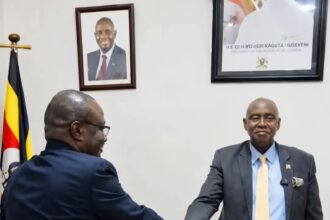
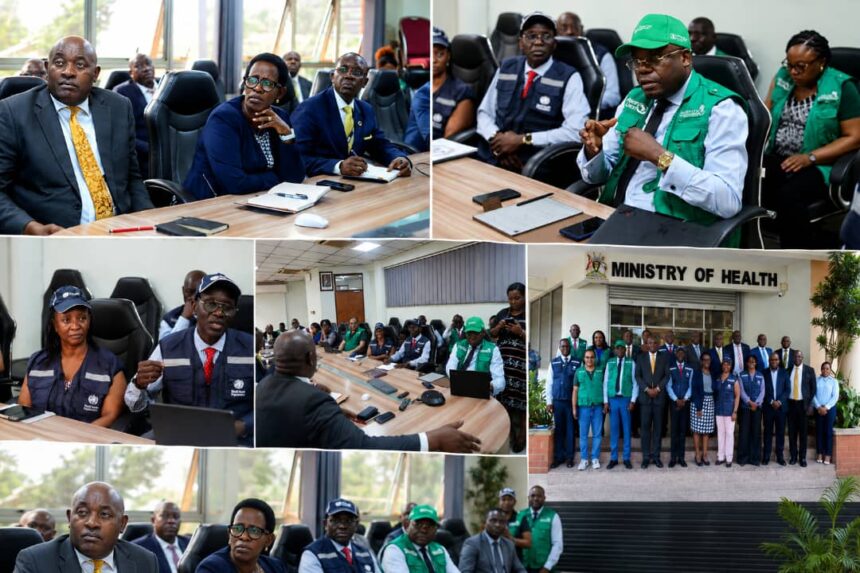
The announcement was made during a high-level meeting held at the Vice President’s Hall in Kampala, attended by Health Minister Dr Chris Baryomunsi, Permanent Secretary Dr Diana Atwine, WHO Regional Director for Africa Prof. Mohamed Yakub Janabi, and Africa CDC Director General Dr Jean Kaseya.
Although Uganda has successfully contained the outbreak, health officials warned that the Bundibugyo virus disease continues to pose a regional threat, particularly due to ongoing Ebola activity in the neighbouring Democratic Republic of Congo (DRC).
Dr Baryomunsi said Uganda registered 20 confirmed Ebola cases during the outbreak and successfully completed the required 21-day monitoring period, allowing the country to declare the outbreak over.
He, however, cautioned that the country must remain alert because of continued transmission across the border in eastern DRC.
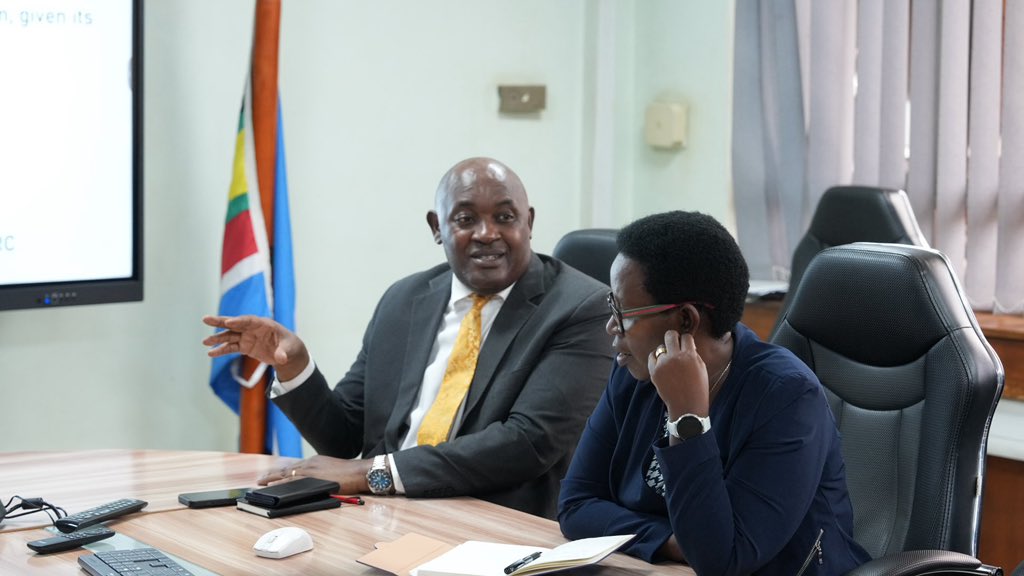
“We have successfully contained this outbreak through coordinated action, but the risk has not disappeared. Our surveillance systems remain active because Ebola is still present in neighbouring DRC,” Dr Baryomunsi said.
The minister revealed that Uganda and the DRC continue to work closely in managing the cross-border health threat. Treatment centres have already been established in Aru and Kasenyi in eastern DRC to strengthen the regional response and improve early case management.
He added that Uganda will continue supporting efforts to strengthen surveillance and response measures in DRC, noting that defeating Ebola requires regional cooperation rather than isolated national responses.
Dr Baryomunsi also appealed to countries that imposed travel restrictions on Uganda during the outbreak to immediately lift them, arguing that they are not supported by scientific evidence.
“Travel restrictions and border closures are unnecessary because they are not backed by science. They do not stop Ebola but instead disrupt trade, movement and regional cooperation,” he said.
WHO Commends Uganda’s Transparency
WHO Regional Director for Africa, Prof. Mohamed Yakub Janabi, praised Uganda’s Ministry of Health, development partners, frontline health workers and affected communities for successfully containing the outbreak.
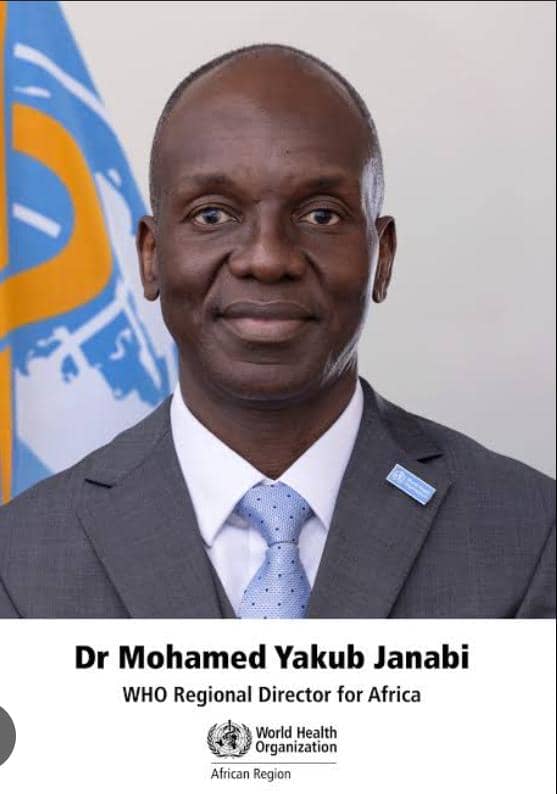
He paid tribute to healthcare workers who risked their lives during the emergency as well as families affected by the disease.
“Uganda has once again demonstrated that strong leadership, transparency and coordinated public health action can successfully stop Ebola,” Prof. Janabi said.
He emphasised that vigilance remains essential despite the declaration of the end of the outbreak, adding that WHO remains fully committed to supporting Uganda in surveillance, preparedness and emergency response.
Prof. Janabi also criticised travel restrictions imposed against Uganda, saying such measures have no scientific basis and pledged to engage the responsible authorities to encourage evidence-based public health decisions.
He further applauded Uganda for openly sharing information throughout the outbreak, saying transparency and close cooperation between the Ministry of Health, WHO and other government institutions played a major role in bringing the outbreak under control.
The WHO chief also updated the meeting on the evolving Ebola situation in the DRC, noting that efforts are underway to strengthen laboratory capacity and disease surveillance to improve rapid diagnosis and response.
Africa CDC Urges Global Solidarity
Africa CDC Director General Dr Jean Kaseya described Uganda’s Ebola response as a model for the continent, saying the country’s success should encourage stronger regional cooperation rather than unnecessary restrictions.
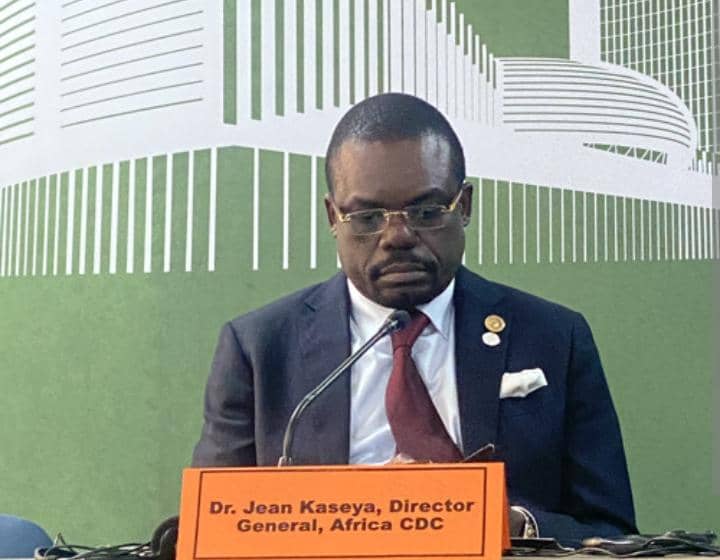
“We are witnesses to Uganda’s success. This is not the time for travel restrictions. The right response is to strengthen health systems and provide the resources needed to fight the disease,” he said.
Dr Kaseya revealed that he has written to relevant international authorities urging them to reconsider restrictions imposed on Uganda.
He questioned why countries did not impose similar restrictions on other nations that had reported Ebola-related cases in the past.
“If the same measures were not applied elsewhere, they should not be applied to Uganda. Public health decisions must be guided by science and not fear,” he said.
Instead of restricting travel, Dr Kaseya urged the international community to invest in outbreak response, including financing critical medical supplies and preventive medicines.
He said Africa CDC requires about US$12 million to secure prophylactic medicines and other interventions needed to strengthen Ebola preparedness across the region.
He called on development partners to “do the right thing” by supporting African countries with resources that protect lives and prevent further spread of the disease.
Meeting With President Museveni
Dr Kaseya disclosed that he plans to meet Yoweri Kaguta Museveni to discuss expanding cross-border health collaboration between Uganda and the DRC and the possibility of hosting additional regional response support teams in Uganda.
He noted that while the DRC is battling its 17th Ebola outbreak, Uganda has successfully managed its seventh outbreak, making the country one of Africa’s leading examples in Ebola preparedness and response.
According to Dr Kaseya, Uganda’s experience offers valuable lessons for the DRC, particularly in early diagnosis, rapid isolation of patients, community mobilisation and effective public health communication.
He observed that Uganda’s relatively stable security environment has enabled health workers to reach affected communities more effectively than in conflict-affected eastern DRC.
He also emphasised the importance of involving local communities in outbreak response while temporarily limiting high-risk cultural and religious practices that can accelerate transmission during epidemics.
Call for Continued Vigilance
Despite celebrating the successful end of the outbreak, the three institutions agreed that Uganda must maintain strong surveillance systems, rapid response teams and cross-border collaboration to prevent future outbreaks.
Health officials urged the public to remain vigilant, report suspected cases immediately and continue observing public health guidance, stressing that Ebola remains a regional challenge requiring collective action across Africa.
The meeting concluded with renewed commitments by the Government of Uganda, WHO Africa and Africa CDC to strengthen regional preparedness, support neighbouring DRC in controlling its outbreak and ensure that science continues to guide global public health decisions.