
Government Defends Kyankwanzi Repatriation Programme as Lifeline for Ugandans Returning from South Africa
KAMPALA – The Government has defended its decision to host Ugandans repatriated from South Africa at the National Leadership Institute (NALI) in Kyankwanzi, describing the programme as a comprehensive reintegration model designed to restore dignity, provide economic opportunities and facilitate a fresh start for returnees.
The repatriation exercise followed a June 30, 2026 ultimatum issued by anti-immigration activists under South Africa’s March-March Campaign, which left hundreds of foreign nationals, including Ugandans, facing uncertainty and insecurity.
According to Ambassador Abbey Walusimbi, the Senior Presidential Advisor on Diaspora Affairs, the Ugandan government acted swiftly after leaders of the Ugandan community in South Africa appealed for intervention.
“His Excellency President Yoweri Kaguta Museveni responded swiftly and compassionately. He immediately directed Prime Minister Robinah Nabbanja to coordinate a comprehensive evacuation plan,” Ambassador Walusimbi said.
The appeal was made through Moses Kibombo Ssentongo, President of the Confederation of Ugandans in Southern Africa (COUSA), and Ismail Luzige, Chairman of the NRM South African Chapter, who sought government support through Uganda’s High Commissioner to South Africa, Ambassador Paul Amoru.
The Ministry of Foreign Affairs, working alongside Uganda’s High Commission in Pretoria, coordinated the evacuation exercise to ensure that all registered Ugandans willing to return home did so safely.
To strengthen security and coordination during the operation, Chief of Defence Forces Gen Muhoozi Kainerugaba deployed Lt Col Frank Murema of the Special Forces Command (SFC) to South Africa. His deployment facilitated coordination with South African authorities on evacuation convoys, documentation and airport procedures.
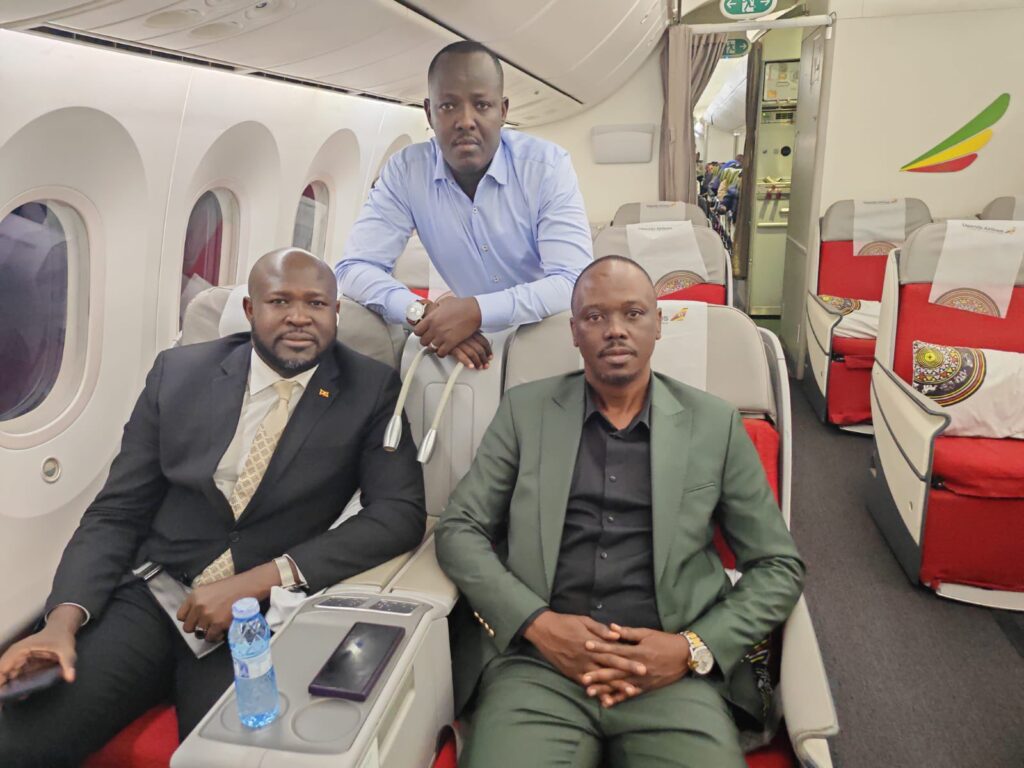
The repatriation was conducted in six phases and successfully brought home 1,030 Ugandans.
Ambassador Walusimbi, who was part of the high-level government delegation that received the returnees at Entebbe International Airport, said the evacuees are being accorded special attention under a government programme aimed at easing their transition back into Ugandan society.
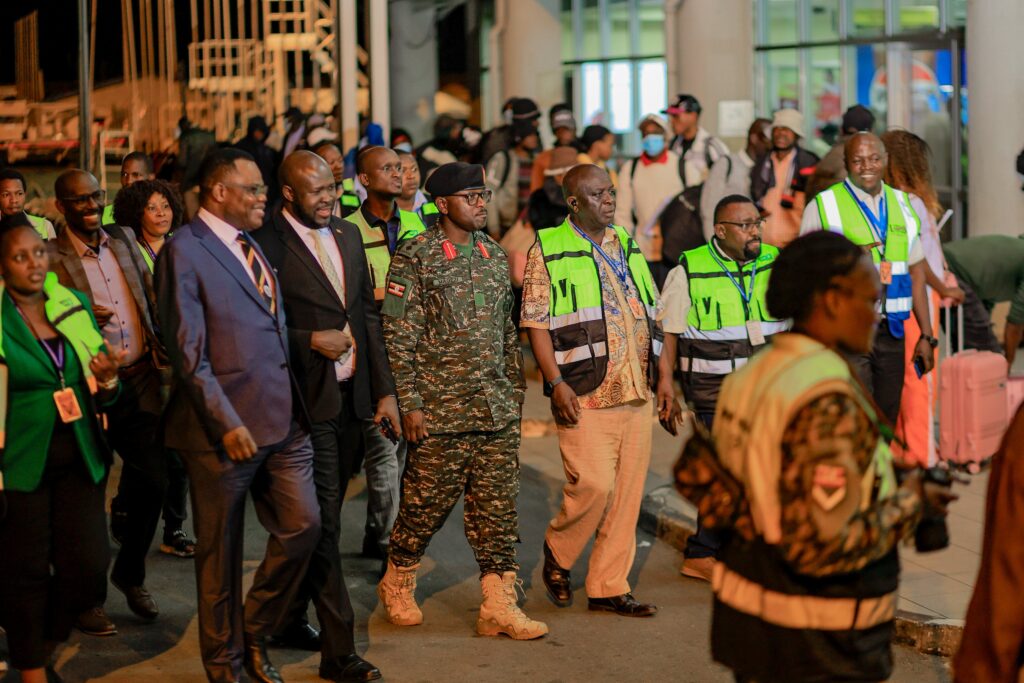
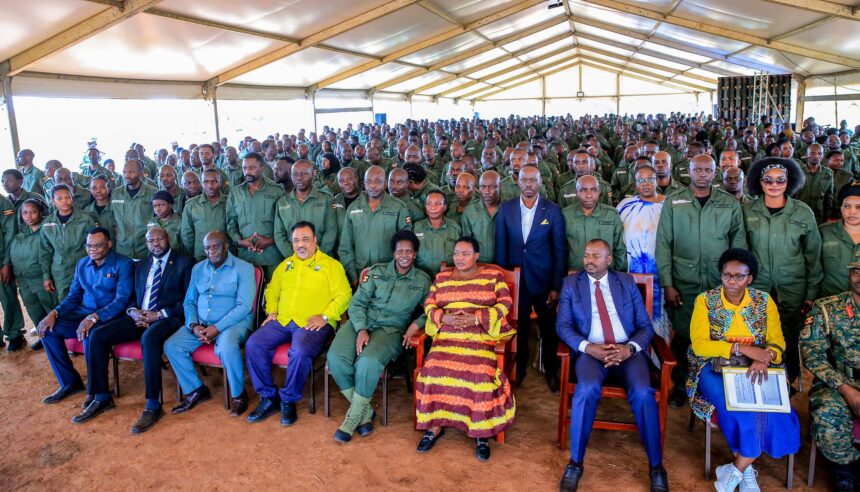
Upon arrival, the returnees were transferred to the National Leadership Institute in Kyankwanzi, a decision that initially attracted public debate. Government officials, however, insist that Kyankwanzi was deliberately selected as an integrated reintegration centre rather than a temporary accommodation facility.
At the institute, returnees undergo orientation programmes to help them readjust to life in Uganda. Medical teams provide free health screenings, treatment and psychological support where necessary.
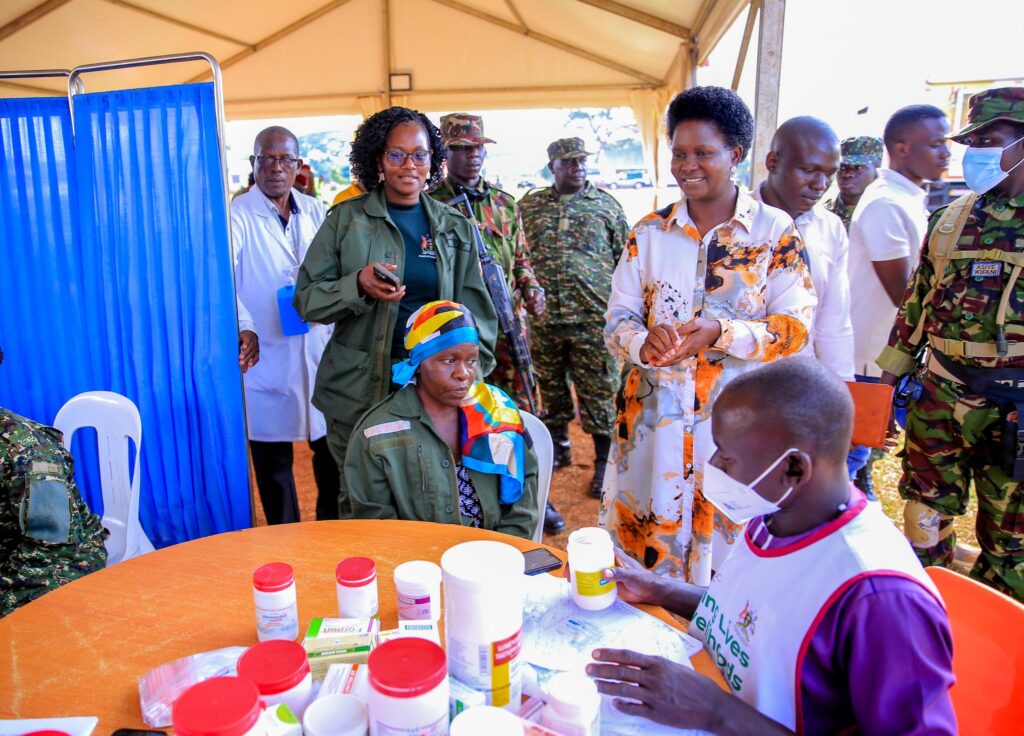
Government agencies have also established services at the centre to address documentation challenges. Officials from the National Identification and Registration Authority (NIRA) are issuing National Identity Cards to eligible returnees, enabling them to access government services, employment opportunities and financial inclusion programmes.
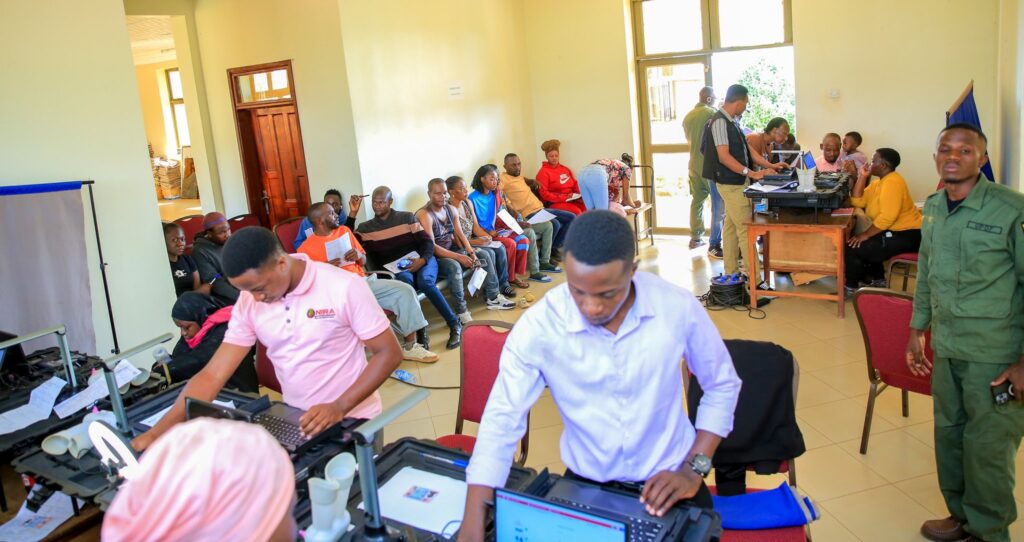
In addition, eligible beneficiaries are being issued free driving permits to improve their chances of securing employment within Uganda’s growing transport and logistics sectors.
The programme also seeks to harness the skills and expertise acquired by Ugandans while abroad. Returnees who upgraded their education and professional qualifications are being assessed for possible placement in government institutions and other sectors where their knowledge can contribute to national development.
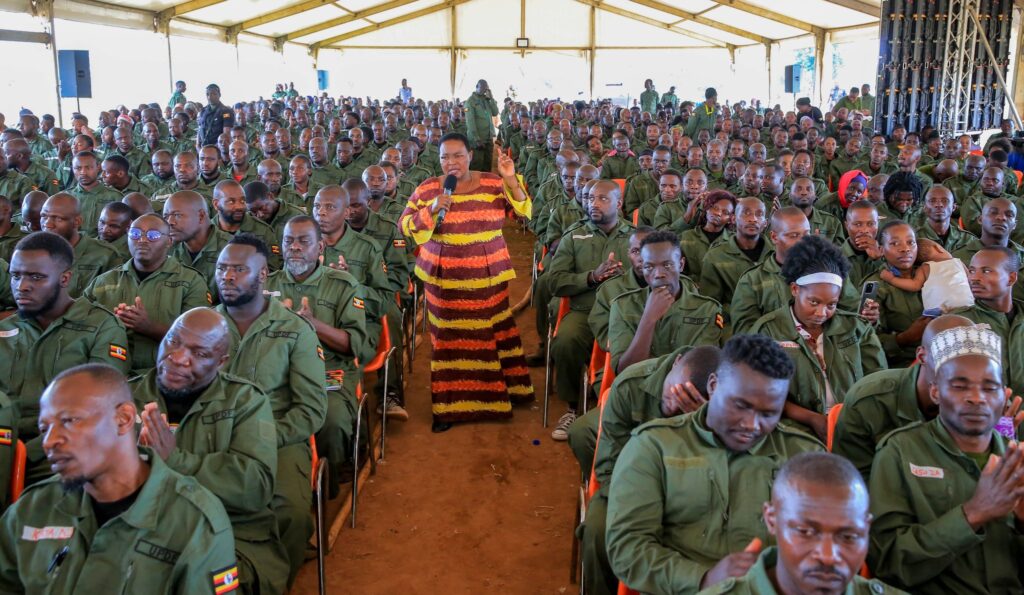
Meanwhile, casual and skilled workers are being linked to government wealth creation initiatives such as Emyooga and the Parish Development Model (PDM) to enable them to rebuild their livelihoods.
Government officials say the reintegration programme is intentionally designed to go beyond simply facilitating transportation back home.
“This integrated, dignified approach shows that Uganda’s repatriation programme goes far beyond transportation. It focuses on restoring hope, rebuilding confidence and creating real opportunities for economic recovery,” Ambassador Walusimbi noted.
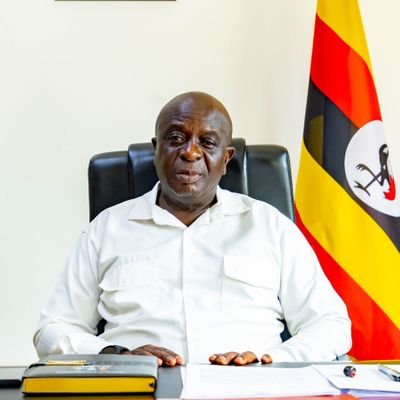
He added that President Museveni considers the returnees as “guests of the President” and is looking forward to meeting them in person to hear their experiences and discuss how they can contribute to Uganda’s development using the skills and exposure they acquired abroad.
The Office of the President’s Diaspora Affairs department, which coordinates diaspora engagement programmes, says it remains committed to protecting and empowering Ugandans living and working overseas.
Its mandate includes strengthening government ties with the diaspora, facilitating safe returns, supporting reintegration, promoting investment and encouraging skills transfer.
The office has also reiterated President Museveni’s message that all Ugandans living abroad are welcome to return home regardless of their political beliefs or previous affiliations.
“Uganda is your motherland, and the doors are wide open,” the President’s message to the diaspora reads.
Government officials maintain that the Kyankwanzi model demonstrates Uganda’s commitment to ensuring that returning citizens are not only received safely but are also equipped with the tools necessary to rebuild their lives and contribute meaningfully to national development.
The successful evacuation and reintegration exercise, officials say, reflects the government’s broader commitment to protecting Ugandans wherever they may be and ensuring that every citizen who returns home is given an opportunity for a dignified and productive new beginning.