
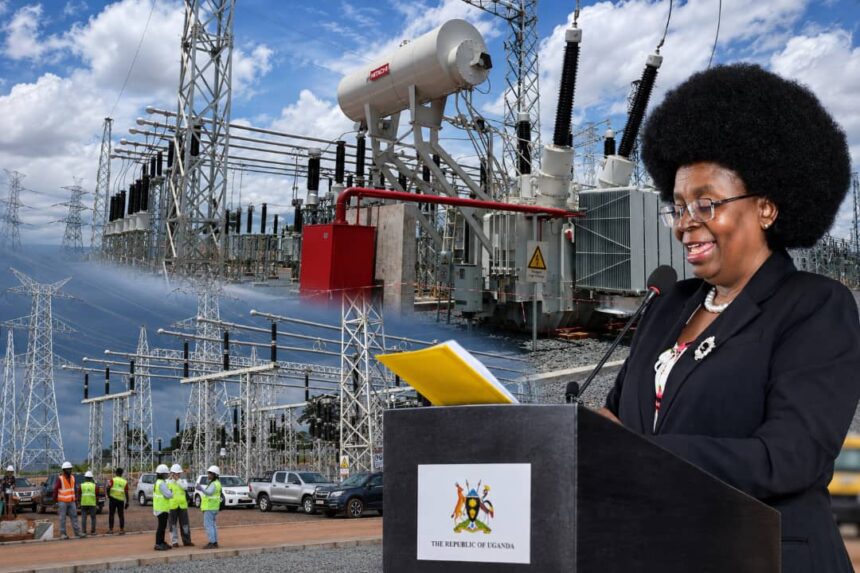
Kampala, Uganda – Uganda’s government has apologised for weeks of widespread electricity outages affecting homes, businesses and industries across the country, saying the disruptions are the result of major infrastructure upgrades aimed at strengthening the national power grid.
Addressing journalists at the Uganda Media Centre on Wednesday, Energy Minister Hon. Dr. Monicah Musenero Masanza acknowledged growing public anger over intermittent blackouts that have hit large parts of the capital, Kampala, and several districts beyond it.
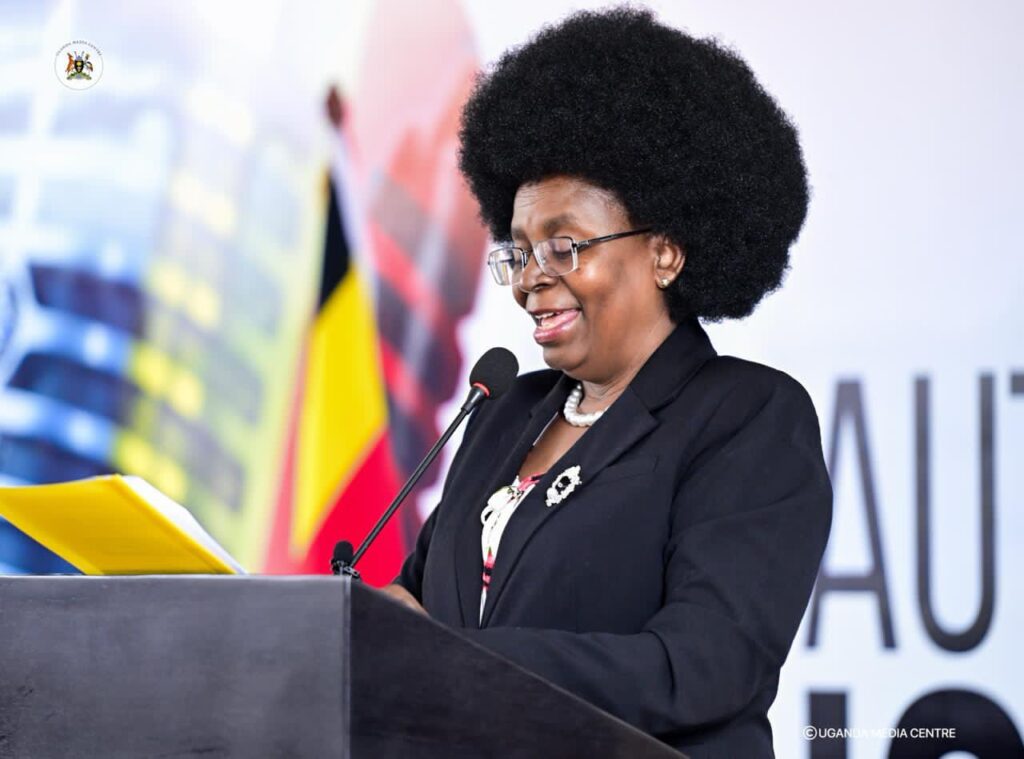
“We hear you,” Musenero said, admitting that authorities had failed to adequately communicate planned interruptions before they intensified.
“On behalf of the sector, I apologise. We are with you. We hear you,” she told reporters.
The outages have affected areas including Ntinda, Kololo, Kawempe, Makerere, Namungoona and parts of Kampala’s industrial zones, with additional interruptions expected in sections of Masanafu, Busega and Natete in the coming days.
According to the Ministry of Energy, the power cuts are primarily linked to ongoing upgrades of transmission and distribution infrastructure as Uganda seeks to meet rising electricity demand. The government says increased industrial activity, expanding household connections and broader access to electricity have placed unprecedented pressure on an ageing network.
Uganda’s electricity access rate now stands at 62 percent, with the Uganda Electricity Distribution Company Limited (UEDCL) serving approximately 2.7 million customers. Since January, more than 76,000 new consumers have been connected to the national grid, while an estimated 500,000 others are awaiting connection.
At the centre of the government’s response is the Kampala Metropolitan Transmission System Improvement Project, financed by the Japan International Cooperation Agency (JICA). The project, which officials say is 91 percent complete, includes the construction of new substations in Maya and Mukono, upgrades at Kawaala, Mutundwe and Bujagali, and reinforcement of critical transmission lines. Authorities expect the works to be completed by August 8th.
Officials maintain that the temporary disruptions are necessary to ensure long-term reliability.
“These planned outages are necessary to enable the safe execution of works that will ultimately deliver a stronger, more resilient and more reliable electricity network,” Musenero said.
The ministry identified four main causes of the outages: ongoing transmission projects, overloaded substations and power lines, routine maintenance requirements, and vandalism targeting electricity infrastructure. Authorities say attacks on transmission towers, transformers and conductors have compounded the challenges, leading to costly repairs and delays in restoring service.
The latest explanation comes amid mounting criticism from residents and business owners, many of whom have complained about financial losses and disruptions to daily life. Small businesses, in particular, have reported difficulties operating during prolonged blackouts, while manufacturers have warned of the broader economic implications of unreliable electricity.
Despite the challenges, the government says measurable improvements have already been recorded, including a 99.7 percent availability rate for large industrial customers and shorter response times to faults. It has also pledged to accelerate investments in substations, replace ageing transformers and improve communication regarding planned outages.
Musenero also warned the public against individuals soliciting cash payments in exchange for electricity connections or meters, reiterating that all payments to UEDCL are processed through authorised channels.
“No applicant should give cash to any individual claiming to facilitate electricity connections or meter installations,” she said.

As Uganda pursues its industrialisation agenda and seeks to expand electricity access nationwide, the government insists that the current disruptions are a temporary cost of building a more resilient energy system.
“Reliable electricity is fundamental to economic growth, industrial development, healthcare, education and the daily lives of our people,” Musenero said, pledging improved public communication in the future.
For many Ugandans enduring another evening without power, however, the success of those promises may ultimately be measured not in policy statements, but in when the lights finally stay on.